12 oz vs 16 oz Boxing Gloves: Complete Training, Sparring & Comfort Comparison Guide

When you’re stepping into the boxing ring for the first time, or even if you’ve been training for a while, one of the most important decisions you’ll make is choosing the right glove weight. I’m talking about that crucial choice between 12 oz and 16 oz boxing gloves. Trust me, this decision matters more than you might think, and it can genuinely affect your training experience, your safety, and how well you perform.
Think of boxing gloves like shoes—you wouldn’t wear hiking boots to run a marathon, right? The same logic applies here. The weight of your gloves isn’t just a number; it’s a fundamental factor that influences everything from the power you generate to the protection you receive. Let me walk you through everything you need to know about these two popular weight categories.
Understanding Boxing Glove Weights and Why They Matter
First things first—what exactly does the ounce measurement mean in boxing gloves? The weight refers to the total mass of the glove itself, including all the padding and materials. It’s not about the weight of your hand inside it; it’s about the actual glove you’re wearing. This seemingly small distinction makes a huge difference in how the glove performs.
When you’re wearing a heavier glove, you’re carrying more weight on your hands, which affects your speed, endurance, and the way you move. When you’re wearing a lighter glove, you get faster hand speed but less cushioning. It’s that classic trade-off between offense and defense, and there’s no one-size-fits-all answer.
The Physics Behind Glove Weight
Here’s something interesting: heavier gloves distribute impact over a wider surface area. They’re like shock absorbers for your hands and the hands of your opponent. Lighter gloves are more responsive and allow for quicker combinations, but they concentrate force more directly. This is why professional boxing organizations have specific weight requirements depending on the boxer’s weight class and the type of bout.
What Are 12 oz Boxing Gloves Best For?
Twelve ounce gloves are often considered the sweet spot for serious boxers, particularly those who compete. They’re lightweight enough to let you maintain excellent hand speed and footwork while still providing adequate protection. Think of them as the balanced choice—not too heavy, not too light.
Hand Speed and Combinations
One of the biggest advantages of 12 oz gloves is that they allow you to throw combinations much faster. Your arms don’t have to work as hard to move the gloves around, which means you can snap off punches with incredible speed. If you’re working on your offensive game and trying to develop lightning-fast combinations, these gloves are your friend.
Competition and Amateur Boxing
Most amateur boxing competitions require 12 oz gloves for male fighters in lighter weight classes. Professional fighters also use 12 oz gloves during championship bouts. If you’re training with an eye toward competition, getting comfortable with 12 oz gloves is essential. You want your training to mirror what you’ll actually experience in the ring.
Advanced Training Drills
When you’re doing speed work, bag combinations, and advanced mitt work, 12 oz gloves shine. Your coach can call combinations more rapidly, and you can respond with genuine speed. This is particularly valuable when you’re working on reflexes and reaction time.
What Are 16 oz Boxing Gloves Best For?
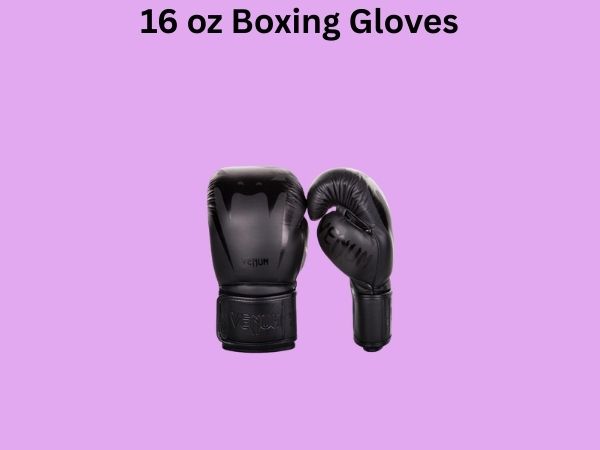
Sixteen ounce gloves are the heavier option in this comparison, and they come with their own distinct advantages. These gloves are typically recommended for heavier fighters, beginners, and anyone doing heavy sparring where maximum protection is the priority.
Maximum Hand Protection
The primary reason to choose 16 oz gloves is protection—both for your hands and for your sparring partner. The extra four ounces of weight means more padding, more cushioning, and more shock absorption. If you’re concerned about hand injuries or you’re training with partners who hit hard, these gloves provide that extra safety margin.
Beginner-Friendly Training
When you’re just starting out in boxing, everything feels unfamiliar and slightly overwhelming. Wearing 16 oz gloves gives you confidence because they feel more substantial on your hands. They also protect your wrists and hands better as you’re learning proper technique. There’s less risk of hand strain or injury while you’re building your foundation.
Heavyweight and Cruiserweight Boxing
If you’re a naturally heavier boxer, 16 oz gloves are often your standard. Professional heavyweight fighters typically use gloves ranging from 16 oz to 18 oz or even 20 oz for certain bouts. The extra weight helps manage the inherent power that comes with a larger frame.
Cardio and Conditioning Work
Here’s something counterintuitive: training with heavier gloves actually builds better cardio and conditioning. Your arms work harder to move the extra weight, which strengthens your shoulders and improves your stamina. This is why many experienced boxers will do dedicated sessions with heavier gloves specifically for conditioning purposes.
Training Differences: How Your Workouts Change
Let me be honest—your entire training experience shifts based on which gloves you’re wearing. The way you move, the way you breathe, and the way your body responds all change subtly but meaningfully.
Heavy Bag Work Comparison
When you’re hitting the heavy bag with 12 oz gloves, you’ll notice your arms move faster and you can maintain a higher pace for longer periods. With 16 oz gloves, each punch feels more powerful and deliberate, but you’ll tire faster. Most trainers recommend using heavier gloves for heavy bag work if you’re building power, and lighter gloves if you’re working on speed and cardio.
Speed Ball and Pad Work
The speed ball is where the weight difference becomes really obvious. Try doing speed ball drills with 16 oz gloves and you’ll quickly realize that precision becomes harder. The heavier gloves want to drop, and maintaining that circular motion requires more control. Twelve ounce gloves are nearly always preferred for speed ball work because they don’t fight against the natural rhythm of the movement.
Mitt Work and Combinations
Your coach or trainer will have a much easier time calling combinations if you’re wearing 12 oz gloves. The faster response time means you can follow instructions more immediately and develop better rhythm with your mitt holder. With 16 oz gloves, there’s a slight delay in response, which can actually be beneficial for developing power but detrimental for developing speed.
Sparring Considerations: Safety First
Sparring is where the rubber meets the road in boxing, and glove selection becomes absolutely critical from a safety perspective. This isn’t something to take lightly.
Light Sparring Sessions
For light, controlled sparring where both partners are focused on technique and not testing each other’s chin, 12 oz gloves can work fine. The lighter weight allows both fighters to work their combinations and develop their craft without the cumulative fatigue that heavier gloves bring. However, both partners need to be disciplined and controlled.
Hard Sparring and Testing
When you’re stepping into hard sparring—where both fighters are going at genuine intensity—16 oz gloves become the standard for most gyms. The extra padding and weight reduce the risk of cut eyes, knockdowns, and serious head trauma. If your sparring partner is known for being heavy-handed, you absolutely want the extra protection that 16 oz offers.
Partner Weight and Size Factors
If you’re significantly larger than your sparring partner, wearing 16 oz gloves is the respectful choice. You’re already bigger and stronger, so the heavier gloves help level the playing field. Conversely, if you’re the smaller fighter, wearing heavier gloves against a much larger opponent is just smart self-preservation.
Comfort and Fit: The Personal Experience
Comfort might seem like a minor factor compared to protection and performance, but I promise you it matters. When your gloves feel wrong, your entire experience suffers.
Hand Feel and Responsiveness
Twelve ounce gloves feel more responsive to your hand movements. There’s less of a delay between your brain telling your hand to move and the glove actually moving. This creates a more intuitive experience, especially if you’re transitioning from other sports or activities where hand speed is important.
Weight Distribution and Wrist Support
Sixteen ounce gloves feel heavier on your wrists initially, which some people find uncomfortable and others find reassuring. The extra weight, properly distributed, actually supports your wrist better and reduces strain. However, if you have pre-existing wrist issues, the lighter 12 oz gloves might feel more comfortable.
Breathing and Arm Fatigue
This is something I’ve experienced personally—when you’re wearing heavier gloves, you become more aware of your arm fatigue. Your breathing tends to synchronize differently with your punches because the effort required changes. Some people find this helps them focus on breathing technique; others find it annoying.
Hand Protection and Safety: Preventing Injuries
Let’s talk about what really matters—keeping your hands healthy so you can keep boxing for years to come.
Padding Technology and Material Differences
Heavier gloves typically have more foam padding, often using multiple layers of different densities. This layering is crucial because it helps absorb impact gradually rather than all at once. Lighter gloves use more strategically placed padding that prioritizes mobility without completely sacrificing protection.
Preventing Hand Injuries
Chronic hand injuries—such as fractures, arthritis, and nerve damage—are real concerns for boxers. The cumulative stress of thousands of punches adds up over time. Using heavier gloves during most of your training significantly reduces this cumulative stress. Many boxing trainers recommend rotating between 12 oz for skill work and 16 oz for volume training to balance both goals.
Wrist and Metacarpal Support
The structure of the glove provides support for your wrist bones and metacarpals. Sixteen ounce gloves typically have more substantial internal support structures. If you have smaller hands or have experienced hand problems in the past, this extra support can be genuinely protective.
Durability and Longevity: Which Gloves Last Longer?
Your boxing gloves are an investment, and you want them to last as long as possible.
Material Wear and Tear
Sixteen ounce gloves, having more material overall, often last longer simply because there’s more to wear away. However, this isn’t a strict rule—it depends entirely on the quality of the glove and how you care for them. A premium 12 oz glove from a quality manufacturer might outlast a budget 16 oz glove.
Padding Compression
Heavier gloves’ padding compresses more slowly because the weight is distributed across more material. Lighter gloves’ padding can compress faster if you’re doing extensive heavy bag work with them. This is why many boxers use heavier gloves for high-volume training and reserve lighter gloves for technical sessions.
Maintenance and Care
Regardless of weight, proper care extends glove life significantly. Air them out after every session, use hand wraps consistently to reduce internal sweat accumulation, and store them in a cool, dry place. Both weights require the same level of maintenance, so this factor shouldn’t influence your choice.
Price Comparison: What You’ll Actually Pay
Let’s talk money, because boxing is already an expensive sport if you’re doing it right.
Entry-Level Gloves
Budget gloves in either weight typically cost between $30 and $70. At this price point, the weight difference affects pricing only marginally. You’re paying more for the brand name and basic functionality than for the weight difference.
Mid-Range Quality Gloves
When you move into the $100 to $200 range, you start seeing more noticeable pricing differences. Mid-range 16 oz gloves might cost $10 to $20 more than their 12 oz counterparts because of the extra material and padding. However, this isn’t a universal rule.
Premium and Professional Gloves
High-end gloves from brands like Everlast, Cleto Reyes, or Grant can range from $200 to $400 or even higher. At this level, the weight difference is less about cost and more about your training purpose. The pricing is driven by craftsmanship, materials, and brand reputation rather than simply the ounce weight.
Making Your Final Decision: Which Gloves Should You Choose?
Okay, so after all this information, how do you actually decide? Let me give you a framework.
If You’re a Beginner
Start with 16 oz gloves. They provide more protection as you’re learning, they’re more forgiving of technique mistakes, and they help you build better conditioning. You can always transition to 12 oz later once you’ve developed solid fundamentals.
If You’re Competing
Train primarily with 12 oz gloves to get comfortable with the weight you’ll use in competition. However, do some of your heavy bag work and conditioning with 16 oz to build power and protect your hands. Most competitive boxers rotate between weights depending on the training focus.
If You’re a Heavy Fighter
Stick with 16 oz gloves as your primary training glove. Heavier fighters typically use heavier gloves anyway, and it matches what you’d use in actual competition. Your weight class essentially dictates this choice.
If You’re Focusing on Speed and Technique
Twelve ounce gloves are your go-to choice. They’ll allow you to work on hand combinations and footwork without the resistance of extra weight. Just make sure you’re doing supplementary conditioning work with heavier gloves to keep your hand protection in mind.
Consider Your Gym’s Culture
Talk to your boxing coach and training partners. Your gym might have specific recommendations based on your size, skill level, and training goals. They know the dynamics of your training environment and can provide personalized guidance that goes beyond general recommendations.
The Hybrid Approach: Using Both Weights Strategically
Here’s what I’ve learned from experienced boxers—the best approach isn’t choosing one weight exclusively. Instead, many successful boxers use both weights strategically.
Use 12 oz gloves for technical sessions, speed work, and developing combinations. Use 16 oz gloves for heavy bag work, conditioning, hard sparring, and high-volume training. This balanced approach gives you