150 Amp vs 200 Amp Breaker Box: The Complete Homeowner’s Guide to Electrical Upgrades

When you’re standing in front of your electrical panel, staring at those rows of switches and wondering if you need more power, you’re asking one of the most important questions a homeowner can ask. Your breaker box is basically the heart of your home’s electrical system, and deciding between a 150 amp and 200 amp service isn’t just a technical decision—it’s an investment in your home’s future. Let me walk you through everything you need to know.
Understanding Your Breaker Box: The Foundation
Think of your breaker box like the main faucet in your home’s water system. Just as a bigger faucet can deliver more water throughout your house, a larger amp service can deliver more electricity to all your appliances and devices simultaneously. But here’s the thing: bigger isn’t always better, and it definitely costs more. You need to understand exactly what you’re dealing with before making any decisions.
Your breaker box, also called an electrical panel or service entrance, is that metal box usually mounted on the outside of your home or in your basement. Inside, you’ll find the main breaker switch and individual circuit breakers for different parts of your home. When too much electricity flows through a circuit, that breaker “trips” or switches off, protecting your wiring from overheating and causing a fire. It’s a safety feature that’s absolutely critical.
What Does “Amp” Actually Mean?
Amperes, or amps, measure the flow of electricity. A 150 amp service means your utility company will supply up to 150 amps of electricity to your home. A 200 amp service provides 200 amps. The difference might not sound huge mathematically, but practically speaking, it’s about 33 percent more electrical capacity. That extra capacity means you can run more devices at the same time without overloading your system.
The 150 Amp Breaker Box: Is It Enough?
Not that long ago, 150 amp service was actually the standard for most homes. Many older houses still operate perfectly fine on this service level. If you live in a modest home without too many power-hungry appliances, 150 amps might be exactly what you need and nothing more.
When 150 Amp Service Works Well
A 150 amp system handles the needs of many homes effectively. You’ll find this service level is adequate for:
- Smaller homes under 1,500 square feet
- Homes with gas heating rather than electric heating
- Properties without air conditioning or with window units only
- Households that don’t use electric water heaters
- Homes with a single electric stove or no electric cooking appliances
If your home checks most of these boxes, you’re probably in good shape with 150 amps. The electricity flows smoothly, your breakers rarely trip unnecessarily, and you’re not constantly hitting the limits of your system.
The Limitations of 150 Amp Service
Here’s where things get interesting though. Modern homes are filled with more electrical devices than ever before. Your smartphone chargers, laptop computers, smart home devices, electric cars—none of these existed 20 years ago when many 150 amp systems were installed.
With a 150 amp service, you’ll start noticing problems when you try to use multiple high-draw appliances simultaneously. Run your air conditioning while charging an electric vehicle and doing laundry? That could trip your breaker. This frustration is usually what prompts homeowners to consider an upgrade.
The 200 Amp Breaker Box: The Modern Standard
Today, 200 amp service is becoming the norm for new home construction and modern upgrades. Building codes in many areas now require 200 amp minimum for new homes. There’s a good reason for this shift.
Why Builders Are Going 200 Amp
Electrical contractors and home builders recognized that homes are consuming more power than ever. Modern homes feature:
- Central air conditioning systems that draw significant power
- Electric water heaters with high demand
- Large kitchen appliances running simultaneously
- Home entertainment systems and media centers
- Charging stations for electric vehicles
- Home office equipment and computers
- Smart home automation systems
When you add all these together, you quickly see why 200 amps has become the industry standard. It’s not about excess capacity; it’s about realistic usage patterns in modern homes.
The Advantages of 200 Amp Service
Upgrading to 200 amps gives you peace of mind. You can run your HVAC system, charge your electric vehicle, operate your electric water heater, and do your laundry all at the same time without worrying about tripping a breaker. That’s real convenience that affects your daily life.
Beyond convenience, a 200 amp panel positions your home for the future. If you’re planning to add solar panels, install a Tesla charger, or upgrade to modern electric appliances, you’ll want that extra capacity. You’re essentially future-proofing your electrical infrastructure.
Cost Comparison: What You’ll Actually Pay
Let’s talk about money because this is where many homeowners make their decision. Upgrading from 150 to 200 amp service isn’t free, and the costs vary significantly depending on your location and home setup.
Upgrade Costs Breakdown
The complete upgrade typically includes new panels, new meter bases, wiring updates, and electrical permits. You’re looking at a range of about three thousand to six thousand dollars for most homes. Some factors that influence the final price include:
- Your location and local labor costs
- Whether your utility company needs to upgrade their side of the connection
- The distance from your home to the utility lines
- Whether rewiring is needed throughout your home
- Your electrician’s experience and reputation
The utility company itself may charge a separate fee to upgrade their equipment on the pole. In some cases, this could add another thousand dollars or more to your total cost.
Long-Term Financial Considerations
Here’s something many homeowners don’t consider: the payback period. If you upgrade to 200 amps, you’re not saving money on your monthly electricity bill—you’re using the same amount of power either way. The upgrade is an investment in convenience and capacity, not energy savings.
That said, if you’re planning to add an electric vehicle charger or heat pump system, that 200 amp service becomes essential rather than optional. In that scenario, the upgrade pays for itself because you couldn’t operate those systems safely on 150 amps anyway.
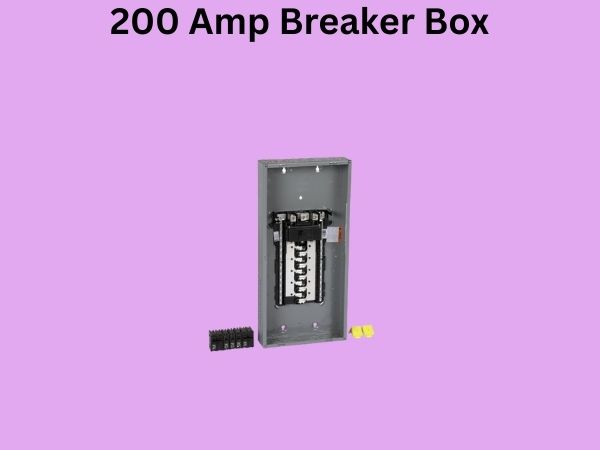
Comparing Your Home’s Electrical Demands
The real question isn’t which amp service is better in general—it’s which one is right for your specific home. Let me help you figure that out by examining electrical demand more closely.
Calculating Your Home’s Load
Electricians calculate something called the “service load” by adding up the wattage of major appliances and typical usage. Your air conditioning might draw 3,000 to 5,000 watts. Your electric water heater could use 4,000 to 5,500 watts. Your oven might pull 3,000 to 5,000 watts. See how quickly those numbers add up?
Converting watts to amps (watts divided by 240 volts in your home’s system), that air conditioning system alone could need 12 to 20 amps continuously. If you’ve got multiple high-draw devices running together, you’re consuming 40, 50, or even 60 amps just from a few appliances. That leaves your 150 amp system with barely enough headroom for everything else.
Real-World Usage Patterns
Here’s something electrical code books don’t always explain clearly: homes rarely run everything at full power simultaneously. You’re not going to use your oven while heating water while running the air conditioning while charging a car all at the exact same instant, right?
That said, these scenarios happen more often than they used to. A working household might indeed have the washing machine running, the air conditioner on, someone charging a laptop, and the oven preheating all at once. With 150 amps, you’re cutting it very close. With 200 amps, you’ve got plenty of cushion.
Climate and Geographic Factors
Where you live dramatically affects whether you need that extra amp capacity. Geography matters more than most people realize.
Hot Climates and Air Conditioning Demands
If you live in Arizona, Florida, Texas, or any region with hot summers, air conditioning isn’t a luxury—it’s essential. A quality central air system runs almost constantly during summer months and draws substantial power. In these climates, 200 amp service moves from optional to practically mandatory.
Cold Climates and Heating Considerations
Interestingly, cold climates tell a different story. Many homes in northern regions use natural gas for heating, which means they don’t need massive electrical capacity for warmth. However, if you’re in a cold climate with an all-electric home or planning to switch to electric heating, you’ll absolutely need 200 amps.
Heating Systems and Electrical Demands
The type of heating system you have makes an enormous difference in your electrical needs. This is probably the single biggest factor in the 150 versus 200 amp decision.
Gas Heat and Your Electrical Needs
If you heat with natural gas, you’ve got a big advantage for keeping your electrical load manageable. Gas heat uses minimal electricity—just enough to power the furnace’s motor and controls. This makes 150 amps much more reasonable.
Electric Heat Pump and Air Source Systems
Modern heat pump systems, while incredibly efficient, demand significant electrical power. A heat pump that replaces your gas furnace could easily draw 30 to 50 amps or more during operation. Adding this to your other electrical needs pushes you right toward that 200 amp requirement.
Electric Water Heating
Electric water heaters are another heavy-load item. While they don’t run continuously, when they do operate, they consume serious power. A 5,500-watt electric water heater needs about 23 amps by itself. Combined with other usage, this is a major consideration.
Electric Vehicle Charging and Future Needs
Here’s something that’s pushing more homeowners toward 200 amp service: electric vehicles. This is a real game-changer in the electrical equation.
Home EV Charging Requirements
A Level 2 home charging station for electric vehicles typically requires 30 to 50 amps of dedicated circuit capacity. Some faster chargers need even more. If you own an electric car or are considering buying one, this alone might make upgrading necessary. Running a 50-amp EV charger on a 150 amp system that’s already handling air conditioning and other loads becomes problematic.
Planning for Tomorrow’s Technology
Think about it this way: electric vehicles are becoming mainstream. In ten years, owning an EV might be as common as owning a smartphone is today. If you’re staying in your home for the long term, that 200 amp service is basically a requirement for the future, not an optional luxury.
Installation Process and What to Expect
If you decide to upgrade, understanding what the process involves helps you prepare mentally and logistically. This isn’t a quick weekend project.
The Complete Upgrade Timeline
First, you’ll get estimates from licensed electricians. The actual work happens in phases. Your electrician will shut off your main power, which means your home goes completely dark. They’ll remove the old 150 amp panel and install the new 200 amp panel. They’ll also need to upgrade the meter base if necessary.
Most of this work takes a full day to a day and a half. However, getting permits and scheduling inspections might extend the overall timeline to a week or two. You’ll want to plan this around your schedule because having no electricity for a day isn’t something you want to surprise yourself with.
Permit and Inspection Requirements
Your local building department will require permits for this work. An inspector will visit to ensure everything meets current electrical code. Don’t try to skip this step—it’s not just bureaucracy. These inspections protect your safety and are necessary if you ever sell your home. Buyers’ lenders will want to see that major electrical work was done properly with permits and inspections.
Safety Considerations in Your Decision
Beyond convenience and future-proofing, this decision has safety implications you should understand.
Overloaded Circuits and Fire Risk
When you consistently push a 150 amp system beyond its limits, you’re creating heat in your wiring. Breakers trip to prevent dangerous situations, but if you’re constantly overloading circuits and having to reset breakers, you’re stressing your electrical system. Over time, this creates real fire risks.
Breaker Trip Frequency
If you’re frequently experiencing tripped breakers, it’s your electrical system’s way of saying it’s at capacity. A breaker that trips occasionally is normal—it’s doing its job. But frequent tripping is a red flag that you need more capacity or you need to reduce demand somehow.
Resale Value and Home Appeal
Here’s something to consider if you ever plan to sell your home: a 200 amp service is increasingly expected by modern homebuyers, especially in warm climates or areas with electric vehicle adoption.
What Appraisers Look For
Home appraisers note the size of your electrical service. A 200 amp service is seen as modern and appropriate for contemporary homes. A 150 amp service in a newer home, especially in certain regions, might be flagged as potentially undersized. This won’t necessarily kill a sale, but it could be a negotiating point.
Buyer Expectations by Region
In areas with high air conditioning usage or strong electric vehicle adoption, buyers have come to expect 200 amp service. It’s less of an upgrade question and more of a baseline expectation. Understanding your local market helps with this decision.
Making Your Final Decision: A Practical Framework
So how do you actually decide? Let me give you a practical framework for thinking through this.
Choose 150 Amps If:
- Your home is smaller than 1,500 square feet
- You heat primarily with gas, not electricity
- You live in a temperate climate without extreme air conditioning needs
- You don’t have plans for an electric vehicle charger
- Your electrical system rarely trips breakers during normal usage
- You’re on a tight budget and need basic functionality
- You’re selling the home within a few years
Choose 200 Amps If:
- Your home is over 2,000 square feet
- You have or plan to have central air conditioning