24 Box Tree vs 15 Gallon: Best Landscape Size
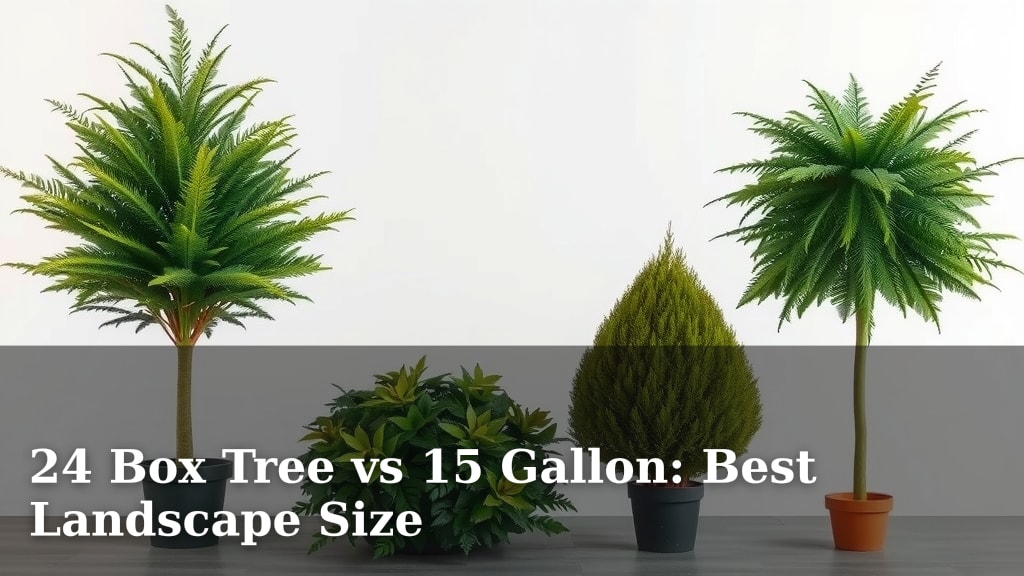
When choosing between a 24-inch box tree and a 15-gallon tree for your yard, the 24-inch box tree is generally the better choice for creating an immediate, mature look. This is because a 24-inch box tree is much larger, meaning it has a more established root system and a more significant presence. You’re essentially getting a “starter” landscape rather than something that needs years to catch up. We found that while 15-gallon trees are easier to handle, they take longer to establish and make a visual impact.
Many homeowners want that “wow” factor right away. A 24-inch box tree delivers that instantly, providing shade and structure much sooner. The 15-gallon option, while more budget-friendly and manageable for some, is a long-term investment in growth. We discovered that the size difference means you’re investing in speed versus a slower, potentially more hands-on process with the smaller tree. Think of it as buying a fully grown bouquet versus a single seedling.
- 24-inch box trees offer instant impact and maturity.
- They have larger root systems for quicker establishment.
- 15-gallon trees are smaller and take longer to grow.
- The choice depends on your budget and desire for immediate results.
- Consider your patience and how quickly you want a full look.
So, let’s figure out which tree size is the perfect fit for your specific landscaping dreams. We’ll break down the pros and cons to help you decide.
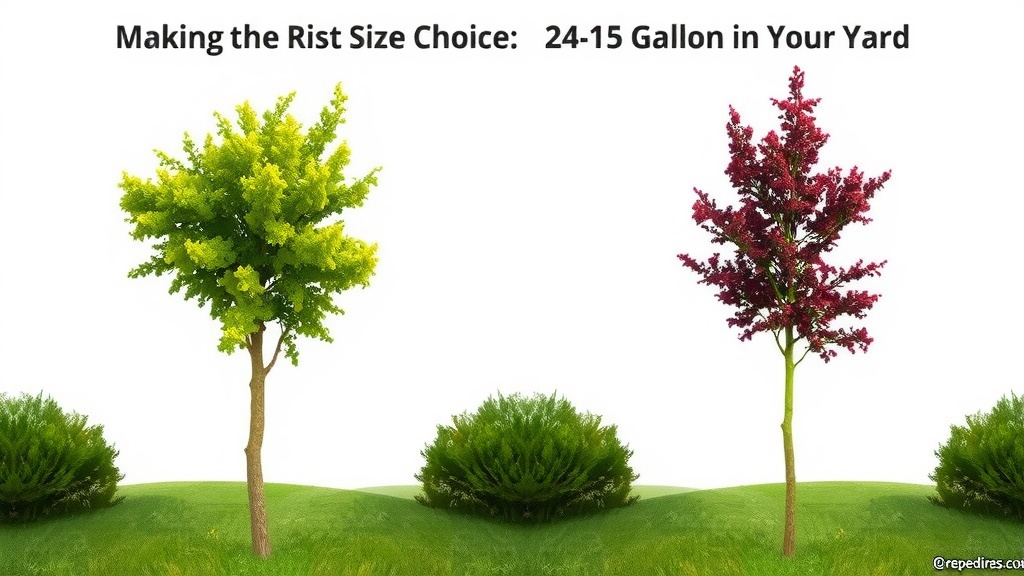
Making the Right Tree Size Choice for Your Yard
Deciding between a larger 24-inch box tree and a smaller 15-gallon tree can feel like a big decision. You’re investing in your home’s curb appeal. You want something that looks great and thrives for years to come. We found that the size difference between these two options is more than just physical. It impacts how quickly you see results. It also affects the effort you’ll need to put in.
Let’s get straight to it. If your goal is an instant, mature look, a 24-inch box tree is usually your best bet. It’s like buying a ready-made cake instead of the ingredients. You get a much more substantial plant right away. This means less waiting. It means more impact from day one.
Understanding Tree Container Sizes: What Do They Mean?
When you see trees labeled with container sizes like “15-gallon” or “24-inch box,” what does that actually tell you? It refers to the size of the pot or the root ball the tree comes in. This isn’t just about how heavy the tree is to carry. It’s a strong indicator of its age and root development.
The 15-Gallon Tree: A Budding Investment
A 15-gallon container is a common size for nursery trees. Think of it as a young adult in the tree world. These trees are typically a few years old. They have a decent root system, but it’s not fully established yet. They are manageable for many homeowners to plant themselves. We found they offer a good balance of cost and growth potential for the patient gardener.
The 24-Inch Box Tree: Maturity in Motion
Now, a 24-inch box tree is a different story. The “box” refers to the square wooden or metal container that the tree’s root ball is secured in. This is a much larger specimen. These trees are older and have spent more time developing a robust root structure. They are significantly heavier and require more planning and potentially machinery to move and plant. We found they offer a much more immediate visual statement.
Comparing Growth and Establishment Time
One of the biggest factors when choosing a tree is how long it will take to look like you imagined. This is where the container size makes a real difference. Think about your future self. Do you want to see results soon, or are you happy to wait?
The 15-Gallon Tree’s Journey
When you plant a 15-gallon tree, you’re starting with a smaller foundation. It will need time to adjust to its new environment. Its roots need to spread out and anchor firmly in the surrounding soil. This process can take a year or two. During this time, you’ll need to be diligent with watering. We found that establishing a 15-gallon tree often requires more consistent care initially. You won’t see dramatic growth spurts for a while.
The 24-Inch Box Tree’s Head Start
With a 24-inch box tree, you’re already ahead of the game. Its root ball is much larger, meaning it has more resources to draw from. The tree has a better chance of establishing itself quickly. We found that these larger trees often show less transplant shock. They tend to start growing and filling out their canopy much sooner than their smaller counterparts. It’s about getting that established look without the long wait.
Visual Impact: Immediate vs. Gradual
Let’s talk about curb appeal. How quickly do you want your new tree to make a statement? This is often the deciding factor for many homeowners. You have a vision for your yard, and you want to get there.
The Instant Gratification of a 24-Inch Box Tree
If you’re looking to add shade, privacy, or a focal point right away, the 24-inch box tree is the clear winner. It already has a significant canopy and trunk. It provides a sense of established landscaping the moment it’s planted. We found that many people choose this size specifically for this immediate impact. It’s perfect for covering up an unsightly view or creating a cozy outdoor space quickly.
The Slow Burn of a 15-Gallon Tree
A 15-gallon tree will eventually grow into a beautiful specimen. However, this takes time. You might plant it and see some new leaves, but it will be several years before it offers substantial shade or privacy. It’s a long-term investment. Think of it as planting a shrub that will one day be a tree. We found that if you’re planning to stay in your home for a long time, this can be a very rewarding path. But if you want results sooner, it might feel like a slow journey.
Cost and Handling Considerations
Beyond the visual aspects and growth rates, practical concerns like cost and how easy the tree is to handle play a role. These are important factors to consider for your budget and your physical capabilities.
Budgeting for Your Tree Choice
Generally speaking, a 24-inch box tree will be considerably more expensive than a 15-gallon tree. You’re paying for the size, age, and root mass. This can be a significant difference. We found that the initial cost of a 15-gallon tree is much lower. This makes it a more accessible option for many budgets. However, consider the long-term costs of waiting for it to mature.
The Physicality of Planting
Moving and planting a 15-gallon tree is usually a one or two-person job. They are heavy, but manageable with a hand truck or some assistance. On the other hand, a 24-inch box tree can weigh hundreds of pounds. You will almost certainly need professional help or specialized equipment like a small tractor or skid steer to move and plant it. We found that accessibility for planting is a major consideration. If you plan to do the work yourself, the 15-gallon option is much more practical.
Making Your Final Decision: A Quick Checklist
To help you zero in on the perfect tree size for your yard, consider these points. This will guide you toward the option that best fits your needs and expectations.
- Do you want to see a mature tree immediately or are you patient?
- What is your budget for the tree itself and potential planting assistance?
- How much physical effort are you prepared to put into planting?
- Are you looking for quick shade or privacy, or are you okay with waiting a few years?
- Do you have access to equipment for handling larger trees if you choose that route?
- What is the long-term vision for your garden’s development?
By thinking through these questions, you’ll be able to confidently select the tree size that will bring you the most satisfaction. We found that understanding these trade-offs upfront leads to happier gardeners.
| Feature | 15-Gallon Tree | 24-Inch Box Tree |
|---|---|---|
| Size & Maturity | Younger, smaller, less established | Older, larger, more established |
| Visual Impact | Gradual, takes years to mature | Immediate, provides mature look |
| Root System | Smaller, needs time to spread | Larger, better established |
| Planting Effort | Manageable for most homeowners | Requires equipment and/or professional help |
| Initial Cost | Lower | Higher |
| Establishment Time | Longer, requires more patience | Quicker, less waiting |
Conclusion
Deciding between a 24-inch box tree and a 15-gallon tree truly comes down to your vision for your yard. If you crave instant maturity and a “wow” factor from day one, the larger 24-inch box tree is your clear winner, offering immediate shade and structure. For those with a bit more patience and a tighter budget, the 15-gallon tree is a sound investment that will grow into a beautiful specimen over time. Weigh your desire for immediate impact against your budget and planting capabilities. To make your final choice, consider how quickly you want that full, established look and what resources you have available for planting.
Frequently Asked Questions
Is a 24-inch box tree too big for a small yard?
A 24-inch box tree is quite large and can be overwhelming in a very small yard. We found that it’s best suited for properties where you want a substantial focal point or mature screening. For smaller spaces, a 15-gallon tree might offer a better scale and allow for more room for other plantings as it matures.
How long does it take for a 15-gallon tree to look established?
We discovered that a 15-gallon tree typically needs several years to establish a robust root system and develop a noticeable canopy. You might see good growth within the first year or two, but for significant shade or privacy, plan for at least 3-5 years, depending on the species and care it receives.
Can I plant a 24-inch box tree myself?
Planting a 24-inch box tree yourself is usually not recommended unless you have experience and access to heavy equipment. These trees can weigh several hundred pounds, making them difficult and potentially dangerous to move and plant without machinery like a tractor or skid steer. We found that professional installation is often necessary.
Are 24-inch box trees more expensive than 15-gallon trees?
Yes, 24-inch box trees are significantly more expensive than 15-gallon trees. You are paying for a larger, older tree with a more developed root system. We found that the cost difference reflects the tree’s size, age, and the resources required to grow and transport it.
Which tree size is better for quick shade?
For quick shade, the 24-inch box tree is the superior choice. Its larger canopy and established structure mean you’ll gain shade much sooner compared to a 15-gallon tree, which requires years of growth to provide similar coverage. We found that if immediate shade is your priority, the larger box tree is the way to go.