12 vs 14 oz Boxing Gloves: Which Size Fits Your Training Style?

If you’re stepping into the boxing ring—or even just your local gym—you’ve probably noticed that boxing gloves come in different weights. But here’s the thing: choosing between 12 oz and 14 oz gloves isn’t just about grabbing whatever’s available. It’s a decision that directly impacts your training effectiveness, hand protection, and overall boxing experience.
I’ve seen too many beginners waste money on the wrong glove size, only to realize months later that they were training at a disadvantage. That’s why I’m breaking down everything you need to know about these two popular sizes.
Understanding Boxing Glove Weight: The Basics
Let’s start with the fundamentals. When we talk about boxing glove weight, we’re referring to the mass of the glove itself, measured in ounces. This weight includes everything—the padding, the leather, the stitching, and the inner lining. It’s not the weight of your hand plus the glove, but rather just the glove’s actual mass.
Think of it like choosing a car: the heavier the vehicle, the more cushioning and protection it offers, but it also affects how fast and agile you can be. The same principle applies to boxing gloves.
Why Does Glove Weight Matter?
The ounce rating directly influences three major aspects of your boxing experience: impact force distribution, hand fatigue, and training intensity. A heavier glove spreads impact over a larger surface area, reducing the force concentration on your opponent’s face or your heavy bag. Conversely, a lighter glove delivers more concentrated force, which is why professional fighters often prefer lighter gloves for competition.
12 oz Boxing Gloves: The Lighter Option
What Makes 12 oz Gloves Unique?
12 oz gloves are on the lighter end of the spectrum for serious training. They’re significantly more compact than their heavier counterparts, giving your hand a sleeker profile. Imagine slipping on a glove that feels almost like a second skin—that’s the sensation many boxers describe when first using 12 oz gloves.
These gloves are typically recommended for intermediate to advanced fighters who already have solid hand conditioning and proper technique. They’re the sweet spot between protection and speed.
Key Characteristics of 12 oz Gloves
- Lighter weight allows for faster hand speed and quicker combinations
- Less padding in the knuckle area compared to heavier gloves
- Improved wrist mobility and flexibility
- More direct feedback from impact, which helps refine technique
- Easier on the arms for extended training sessions
- Better for simulating competition conditions
Training Benefits of 12 oz Gloves
When you train with 12 oz gloves, you’re essentially training with a tool that’s closer to what you’d use in actual competition. This means your conditioning improves more directly to match real fighting demands. Your arm muscles develop the specific endurance needed for competition.
Additionally, the lighter weight encourages faster footwork and head movement. Since your hands aren’t weighed down, you naturally move quicker and develop superior defensive reflexes. This is why many advanced boxers use 12 oz gloves for speed and technique work.
14 oz Boxing Gloves: The Heavier Choice
What Makes 14 oz Gloves Stand Out?
14 oz gloves are the heavier, more protective option. They’re what you’ll see beginners reaching for, and for good reason. The extra two ounces might not sound like much, but it translates to noticeably more padding and cushioning throughout the glove.
These gloves feel like pillows compared to 12 oz options. Your knuckles, wrist, and hand are enveloped in extra layers of protection, making them ideal for newcomers to the sport.
Key Characteristics of 14 oz Gloves
- Substantially more padding throughout the glove
- Enhanced wrist support and stability
- Greater shock absorption for the user’s hand
- Reduces impact force delivered to the opponent
- Better for prolonged heavy bag work without hand fatigue
- Ideal for protective headgear compatibility
- More forgiving of improper technique
Training Benefits of 14 oz Gloves
The primary advantage of 14 oz gloves is safety and comfort during extended training sessions. If you’re punching a heavy bag for ten rounds, your hands will thank you for the extra cushioning. The increased padding means less micro-trauma to your knuckles and wrist joints.
14 oz gloves are also fantastic for learning proper technique. Because they’re more forgiving, beginners can focus on form and footwork without worrying as much about hand injuries. The heavier gloves also naturally slow down your punching speed, which forces you to be more methodical and precise with each strike.
Safety and Hand Protection: A Critical Comparison
Which Size Offers Better Protection?
This is where things get interesting. Many people assume heavier gloves always mean more protection, but it’s not that simple. Both sizes protect your hands adequately if they’re well-made and properly fitted.
Here’s the distinction: 14 oz gloves protect your hands better from the impact of striking. If you’re worried about repetitive strain injuries, arthritis, or cumulative damage, the extra padding in 14 oz gloves provides real benefits.
However, 12 oz gloves protect your opponent better. The lighter glove doesn’t reduce impact as much, so your partner or the heavy bag absorbs more force. For sparring partners, this matters significantly.
Wrist Support Considerations
14 oz gloves typically come with more substantial wrist padding and support. If you have weak wrists, previous injuries, or are new to boxing, the additional wrist support in 14 oz gloves is genuinely valuable. 12 oz gloves require stronger wrists and better technique to prevent strain.
Don’t underestimate this factor. Poor wrist support can lead to injuries that sideline you for weeks.
Who Should Choose 12 oz Boxing Gloves?
Ideal Candidates for 12 oz Gloves
12 oz gloves are best suited for boxers who fall into specific categories. If you’re already experienced with proper punching technique and your hands have built up conditioning, 12 oz is worth considering. Competitive fighters training for matches benefit from the 12 oz weight class in many amateur divisions.
Advanced fitness enthusiasts who’ve trained for at least six months and want to maximize their speed and conditioning might also prefer 12 oz gloves. These athletes understand their limitations and how to avoid injury.
Specific Training Scenarios
Use 12 oz gloves when you’re doing speed work, combination drills, or preparing for competition. These gloves excel in mitt work with a trainer who can feed you combinations quickly. They’re also perfect for shadowboxing because they allow you to work on explosive combinations without arm fatigue.
If you’re a lightweight boxer or someone with naturally smaller hands, 12 oz might feel more proportionate and comfortable than heavier options.
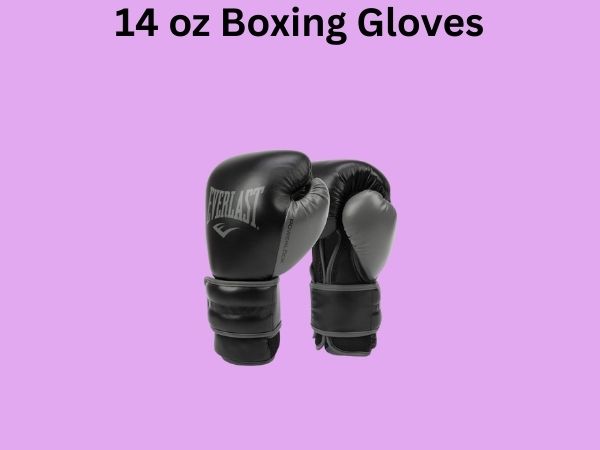
Who Should Choose 14 oz Boxing Gloves?
Ideal Candidates for 14 oz Gloves
Beginners absolutely belong in 14 oz gloves. Your hands need protection while you’re learning proper form, and your joints need extra cushioning while they adapt to the demands of boxing. Don’t rush into lighter gloves until you’ve built a solid foundation.
People recovering from hand or wrist injuries should also stick with 14 oz gloves until fully healed. Women often prefer 14 oz gloves because they’re proportionally more protective for smaller frame sizes.
Specific Training Scenarios
14 oz gloves shine during long heavy bag sessions. If you’re doing metabolic conditioning work that requires sustained effort, the extra padding keeps your hands fresh for the entire workout. They’re also excellent for partner drills where you’re primarily on the receiving end of combinations.
If you train at an older age or have any joint issues, 14 oz gloves are your best friend. They reduce cumulative stress on your entire hand structure.
Performance Differences: How They Actually Feel in Action
Speed and Hand Movement
The difference in speed between 12 oz and 14 oz gloves becomes immediately apparent once you start throwing combinations. With 12 oz gloves, your hands move noticeably faster. You can snap jabs and quick hooks with less effort. Your combinations flow more naturally because your arms aren’t working as hard against gravity and inertia.
14 oz gloves feel slower, almost like you’re moving through slightly thicker air. This isn’t necessarily bad—it’s actually beneficial for developing slower, more powerful punches with perfect form.
Power and Impact
Here’s a counterintuitive fact: lighter gloves don’t necessarily mean less power. In fact, 12 oz gloves can deliver more concentrated force because the impact is less distributed. This is why heavier opponents often prefer lighter gloves—they can deliver more damage despite the lighter weight.
14 oz gloves spread impact more evenly, making the punch feel less sharp to the recipient. The power is still there, but it’s cushioned significantly.
Fatigue Factor
Extended training sessions reveal the real difference between these weights. After five or six rounds with 12 oz gloves, your shoulders and arms might feel slightly tired. Switch to 14 oz gloves for the same duration, and you’ll notice considerably less arm fatigue because you’re not working as hard against the glove’s weight.
This is crucial for high-volume training days where you’re planning multiple rounds or extended conditioning work.
Competition and Professional Standards
Amateur Boxing Requirements
Amateur boxing has specific glove weight requirements depending on your weight class. Generally, heavier weight classes use heavier gloves, and lighter weight classes use lighter gloves. Flyweights and bantamweights might use 10 oz gloves, while light heavyweights use 12 oz, and heavyweight competitors often use 16 oz or larger.
Training in the glove size you’ll use in competition makes strategic sense because you’re practicing with the actual equipment.
Professional Boxing Standards
Professional boxers typically use 8 oz gloves for competition—yes, even lighter than the amateur 12 oz standard. This is why professional boxers training for fights often use 12 oz gloves in their training camps. It gives them experience with heavier equipment that requires more conditioning.
Price Comparison and Value Assessment
Cost Differences
Generally, 12 oz gloves cost slightly less than 14 oz gloves from the same brand and quality tier. The difference is usually modest—perhaps five to fifteen dollars—because the primary cost factor is materials and manufacturing, not the two additional ounces.
However, this small price difference shouldn’t be your deciding factor. Buying the wrong size out of budget concerns is penny-wise but pound-foolish.
Long-term Value
Consider the durability and versatility of your investment. A quality pair of 14 oz gloves from a reputable brand might last longer in heavy training because they can handle high-volume work without wearing out your hands. Conversely, 12 oz gloves offer better training specificity for competitive athletes.
The best value is whatever size helps you train effectively and stay injury-free. An injury costs you far more in time and potential medical bills than the difference between glove sizes.
Finding Your Perfect Fit: The Decision Framework
Consider Your Experience Level
This is the primary factor. Beginners should almost always choose 14 oz. You’re still learning, and extra protection helps prevent injuries that could derail your boxing journey. Once you’ve trained consistently for six months to a year with proper form, you can consider transitioning to 12 oz.
Assess Your Hand Strength and Conditioning
Do a honest assessment of your hand and wrist strength. Can you perform fifty quality punches without hand soreness? Can you complete five rounds on the heavy bag without your hands feeling beaten up? If yes, you might be ready for 12 oz. If no, stick with 14 oz.
Define Your Training Goals
Are you training for fitness, competition, or self-improvement? Fitness enthusiasts benefit from 14 oz gloves for their comfort and protection during extended sessions. Competitive boxers might need 12 oz gloves to match their competition standards. Self-improvement seekers should prioritize injury prevention with 14 oz.
Evaluate Your Training Environment
What kind of training dominates your schedule? Lots of heavy bag work? Go with 14 oz for hand protection. Mostly mitt work and sparring? 12 oz makes sense. Varied training? Consider having both sizes available.
Common Mistakes When Choosing Between Sizes
Choosing Too Light Too Soon
The biggest mistake I see is beginners jumping to 12 oz gloves because they think lighter is better or because they want to feel “advanced.” This is a recipe for hand injuries and developing bad habits. Light gloves feel harder and more painful. Your hands aren’t conditioned for that yet.
Ignoring Fit and Quality
Some people obsess over the ounce difference but ignore whether the glove actually fits their hand properly. A poorly fitting 12 oz glove is worse than a well-fitting 14 oz glove. Make sure your glove fits snugly without being restrictive, and that your wrist feels supported and stable.
Not Considering Sparring Partner Safety
If you’re sparring regularly, remember that 12 oz gloves deliver more concentrated impact. Your partner takes more damage from your punches with lighter gloves. This should influence your decision, especially if you’re training with less experienced people.
Buying Without Trying
Online purchases are convenient, but boxing gloves are personal equipment. Try them on if possible. Every brand fits differently, and sizing varies between manufacturers. What feels right for someone else might not work for your hand shape and size.
Real-World Training Scenarios
The Fitness Enthusiast
Meet Sarah, a 35-year-old who starte