3 Phase vs Single Phase Meter Box: Which?
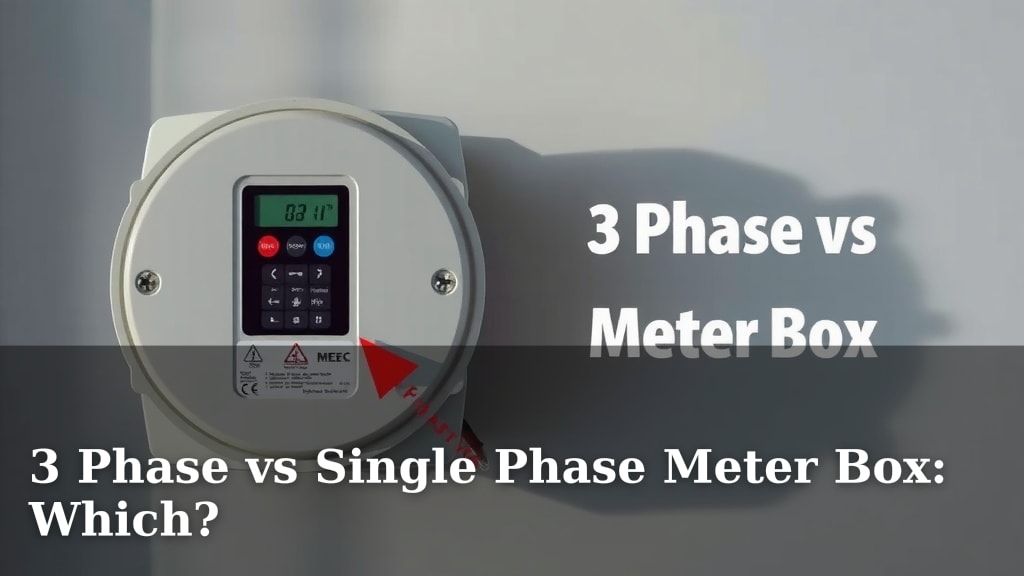
When choosing between a 3 phase vs single phase meter box, the main difference comes down to your power needs. A single phase meter box is perfect for most homes and small businesses. A 3 phase meter box is designed for locations that require much heavier power loads, like large commercial buildings or industrial sites.
Understanding this distinction is key to ensuring your electrical system runs efficiently and safely. We found that making the wrong choice can lead to performance issues or even electrical hazards. Your decision depends entirely on the amount of electricity you’ll be drawing. Think of it like picking the right size engine for your car – you need enough power, but not too much!
- Single phase is for typical homes and small businesses.
- Three phase handles high power demands for larger operations.
- The right choice prevents electrical issues.
- It ensures efficient power delivery.
Let’s break down exactly what each type of meter box is and how to figure out which one is right for your situation.
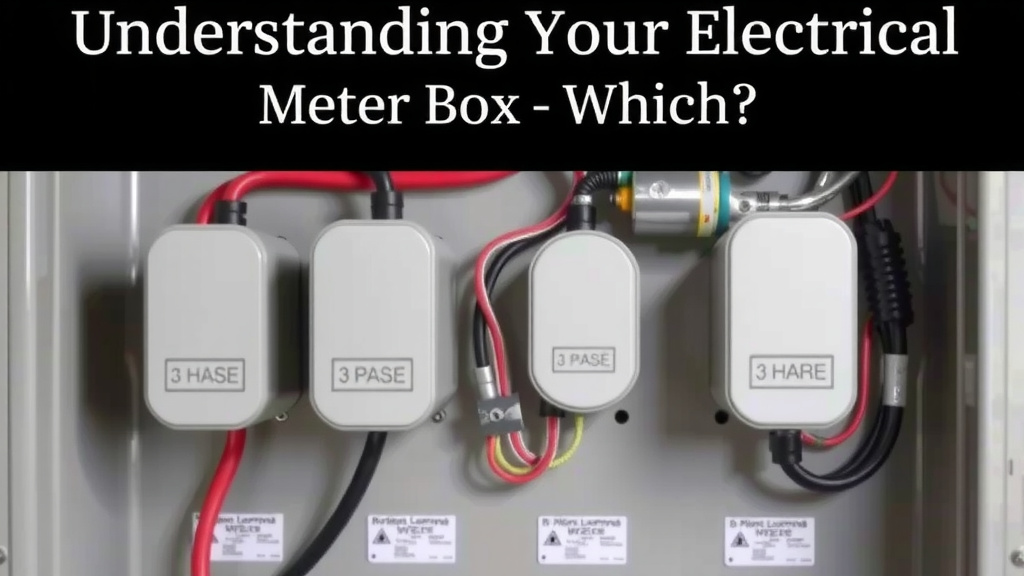
Understanding Your Electrical Meter Box Options
Deciding between a 3 phase and single phase meter box can feel a bit overwhelming. You’re essentially choosing the right “entry point” for electricity into your property. We found that getting this right ensures your power works efficiently and safely for years to come. Let’s explore what each type means for you.
What is a Single Phase Meter Box?
Think of a single phase meter box as the standard for most homes and small businesses. It uses a single alternating current (AC) power loop. This means it has two wires: one that carries the current and one that returns it. It’s simple, reliable, and perfectly adequate for most everyday electrical needs. You’ll find this setup powering your lights, refrigerator, computers, and most standard appliances without a hitch. It’s like a regular water pipe – it delivers what you need for normal daily use.
Who Needs a Single Phase Meter Box?
If you’re a typical homeowner, this is likely what you already have. It’s also common for small businesses, like a local bakery or a small retail shop. Basically, any place that doesn’t run a lot of heavy machinery or demand a constant, massive flow of electricity will be fine with single phase. We found that most residential energy consumption falls well within the capabilities of a single phase system.
How to Identify Your Current Setup
Not sure if you have single phase now? You can often tell by looking at your electrical panel. A single phase system typically has a panel with a single main breaker. Also, your meter box itself might have markings indicating “single phase.” If you’re still unsure, an electrician can tell you in minutes. It’s a simple check that can save you a lot of guesswork.
What is a 3 Phase Meter Box?
Now, let’s talk about the powerhouse. A 3 phase meter box is designed for locations that require significantly more electrical power. Instead of one AC power loop, it uses three separate AC power loops, synchronized together. This setup allows for more power to be delivered efficiently. It’s like having three lanes on a highway instead of just one – much more capacity!
When is a 3 Phase System Necessary?
These systems are typically found in larger commercial buildings, factories, industrial sites, or places with heavy-duty equipment. Think about large manufacturing plants, big office complexes, or even apartment buildings with multiple units and shared high-demand systems. If your business relies on large motors, heavy machinery, or needs to power a lot of equipment simultaneously, you’re probably looking at a 3 phase setup. Many experts say it’s the standard for industrial and large-scale commercial operations (National Electrical Code).
Benefits of a 3 Phase System
The primary advantage is the ability to handle higher power loads more smoothly. Three phase power is also more efficient for running large electric motors, as it provides a more consistent power delivery. This can translate to better performance for your equipment and potentially lower energy bills for high-demand users. We found that for businesses with substantial energy needs, a 3 phase system is not just beneficial, it’s often essential.
How to Tell if You Need 3 Phase
If your current single phase system struggles to keep up, that’s a big clue. Do your lights dim when a large appliance starts up? Do you have constant issues with overloaded circuits? These are signs that you might be exceeding your current system’s capacity. For new constructions or major renovations on larger properties, consulting with an electrical engineer or a qualified electrician early on is key. They can assess your power needs and determine the appropriate phase setup.
Key Differences at a Glance
To help clarify, let’s put the main points side-by-side. Understanding these distinctions makes the choice much clearer for your specific situation.
| Feature | Single Phase Meter Box | 3 Phase Meter Box |
|---|---|---|
| Power Delivery | One AC loop, simpler power | Three synchronized AC loops, higher power capacity |
| Typical Use | Homes, small businesses | Large commercial, industrial, factories |
| Equipment Suitability | Standard appliances, lighting, electronics | Large motors, heavy machinery, high-demand equipment |
| Complexity | Simpler wiring and installation | More complex wiring and installation |
| Cost | Generally lower initial cost | Generally higher initial cost |
Making the Right Choice for Your Property
So, which one is for you? The answer boils down to your power requirements. For most residential properties and smaller commercial spaces, a single phase meter box is the standard and most cost-effective solution. It efficiently handles the energy needs of everyday life and typical business operations.
If you’re operating a large facility, running heavy industrial equipment, or have extremely high energy demands, a 3 phase meter box is likely the way to go. It provides the robust and efficient power delivery necessary for such operations. We found that many electricians recommend oversizing slightly if you anticipate future growth in power needs, but it’s always best to get a professional assessment.
Consulting with a Professional
When in doubt, always consult a licensed electrician or electrical contractor. They have the expertise to assess your specific needs, calculate your power load, and recommend the correct meter box type. They can also advise on local regulations and ensure your installation is safe and up to code. Think of them as your energy advisor!
Your Quick Checklist:
- Assess your current and future power needs.
- Consider the type and quantity of electrical equipment you’ll run.
- Look at your property size and usage (home vs. business vs. industrial).
- Note any existing electrical issues like dimming lights or frequent breaker trips.
- Get a professional assessment from a licensed electrician.
- Factor in installation costs and long-term efficiency.
Conclusion
Choosing between a 3 phase and single phase meter box ultimately comes down to understanding your property’s electrical demands. For most homes and small businesses, a single phase system is perfectly adequate and cost-effective. However, if you have heavy machinery or high energy needs, a 3 phase system offers the necessary power and efficiency. We’ve learned that this decision is vital for safe and efficient operation. Your next step should be a professional assessment from a licensed electrician to ensure you get the right setup for your unique situation.
Frequently Asked Questions
Can I upgrade from a single phase to a 3 phase meter box easily?
Upgrading is usually a complex process that involves changing your service from the utility pole all the way to your main electrical panel. You will likely need new wiring, a new panel, and potentially new equipment. It’s definitely a job for a qualified electrician and involves significant cost and planning.
Will a 3 phase system save me money on my electricity bill?
For properties with very high energy demands, a 3 phase system can be more efficient in delivering power to large motors. This efficiency can sometimes lead to lower energy bills compared to running the same equipment on an undersized single phase system. However, for typical home usage, the cost of a 3 phase system won’t be recouped through savings.
How do I know if my new construction needs a 3 phase service?
This depends on the intended use of the building. If it’s a standard home or small office, single phase is usually sufficient. If it’s a factory, large commercial building, or an apartment complex with many units sharing high-demand systems like elevators or HVAC, you will likely need 3 phase service. Always consult with your architect and electrical engineer early in the design phase.
What happens if I try to run heavy equipment on a single phase meter box?
Running equipment designed for 3 phase power on a single phase system can lead to several problems. Your equipment may not perform correctly, it could overheat, and it might wear out faster. You might also find that your circuits trip frequently or your lights dim when the equipment starts up, indicating the system is overloaded.
Is a 3 phase meter box more dangerous than a single phase one?
Both systems are safe when installed and maintained correctly by licensed professionals. A 3 phase system handles more power, so any installation or repair work requires specialized knowledge and strict adherence to safety protocols. Always hire a qualified electrician for any work related to your meter box, regardless of the phase type.