Litter Boxes: Why They Matter for Cat Owners
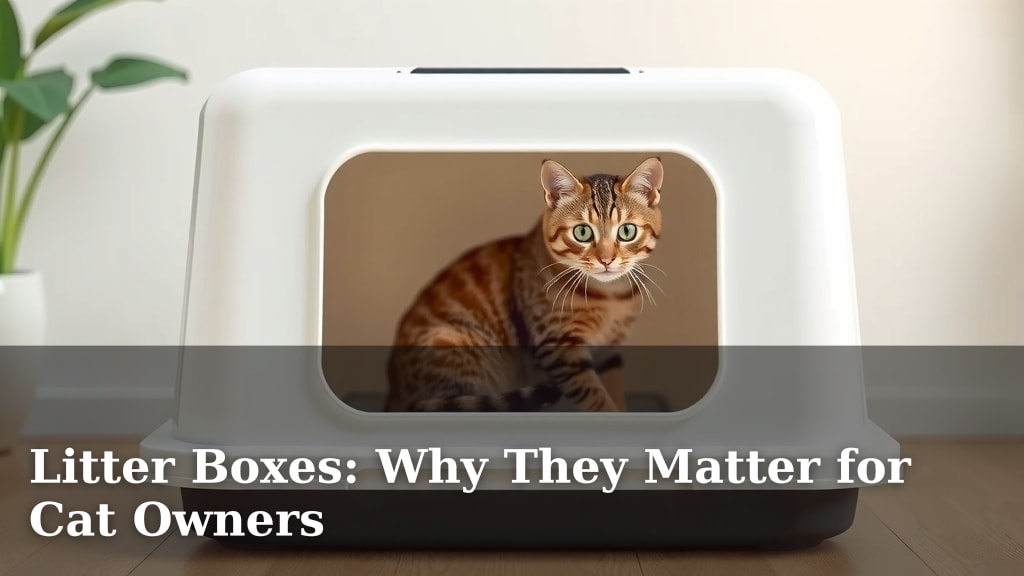
Litter boxes matter for cat owners because a clean litter box is essential for your cat’s physical and mental well-being. It’s not just about convenience; it’s about preventing health issues and behavioral problems. We found that neglecting the litter box can lead to stress and inappropriate elimination.
Understanding litter box needs helps you create a happier home for both you and your feline friend. This means choosing the right box, the best litter, and maintaining a strict cleaning schedule. We know it can seem like a small detail, but it truly makes a big difference.
- A clean litter box keeps your cat healthy.
- It prevents stress and unwanted behaviors.
- Proper setup includes the right box and litter.
- Regular cleaning is key for your cat’s comfort.
Let’s break down why a well-maintained litter box is a non-negotiable part of being a responsible cat owner and how to get it right.
Why Your Cat’s Litter Box is More Important Than You Think
You might see the litter box as just a necessary chore, but it’s truly a cornerstone of your cat’s happiness. A clean, well-maintained litter box is the secret to a contented cat and a harmonious home. We found that neglecting this simple setup can lead to a cascade of problems, from health woes to behavioral issues.
The Cat’s Perspective: What Makes a Good Box?
Cats are naturally clean animals. They bury their waste to hide their scent from predators in the wild. This instinct is still very much alive in your house cat. When their litter box doesn’t meet their standards, they can become stressed. This stress can manifest in ways that surprise and frustrate owners.
Instincts and Inappropriacy
Your cat’s desire to bury is strong. If the litter is too shallow, or the box is too small, they can’t perform this natural behavior properly. This can lead to them seeking out other, less desirable spots to do their business. We’ve seen many instances where a cat starts eliminating outside the box because their current setup simply doesn’t feel right to them.
Health Signals in the Litter Box
The litter box is also a window into your cat’s health. Changes in urination or defecation patterns can be early indicators of medical problems. Are they going more often? Less often? Is the stool unusually hard or soft? These are all signs you should pay attention to. Many experts say that monitoring the litter box is a simple yet effective way to catch health issues early (NCBI).
Choosing the Right Litter Box: Size and Style Matter
Not all litter boxes are created equal. What works for one cat might not work for another. Size is perhaps the most critical factor. Your cat should be able to comfortably turn around in the box without their tail touching the sides. A general rule of thumb is that the box should be at least 1.5 times the length of your cat, from nose to the base of their tail.
Open vs. Covered Boxes
Many owners prefer covered boxes for odor control and aesthetics. However, we found that many cats prefer open boxes. Covered boxes can trap odors, making them unpleasant for sensitive feline noses. They can also make a cat feel cornered, especially if they are skittish or easily startled. If you have a covered box, consider removing the lid to see if your cat’s litter box habits improve.
Automatic Self-Cleaning Boxes
These can be a great convenience for owners. However, the noise and sudden movements of some automatic boxes can frighten cats. They might avoid the box altogether. It’s important to introduce your cat to a self-cleaning box gradually and observe their reaction. Some cats simply never get comfortable with them.
Litter Types: A World of Options (and Opinions!)
The type of litter you choose can also significantly impact your cat’s willingness to use the box. There are many varieties, and what one cat loves, another might detest. The most common types include clay, silica gel crystals, pine, and paper.
The Power of Texture and Scent
Most cats have a preference for a soft, fine-grained litter, similar to sand. This texture allows for comfortable digging and burying. Scented litters are often popular with owners, but many cats find the perfumes overwhelming and unpleasant. We recommend sticking to unscented litters whenever possible. If you must use a scented one, try to find one with a very mild, natural scent.
Clumping vs. Non-Clumping Litter
Clumping litter makes cleaning much easier. It forms solid balls when wet, allowing you to scoop out waste quickly. This means less lingering odor and a cleaner box for your cat. Non-clumping litter absorbs moisture but doesn’t form clumps, meaning you’ll likely need to change the entire contents of the box more frequently. Many experts suggest clumping litter for ease of maintenance (Cornell Feline Health Center).
Cleaning is Non-Negotiable: The Heart of Litter Box Success
This is where many owners fall short, and it’s the most critical factor in preventing litter box problems. Cats are fastidious creatures. They will not use a dirty or smelly box if they can help it.
Daily Scoop, Weekly Wash
Scoop solid waste and urine clumps at least once a day, preferably twice. Think of it like visiting a public restroom; you wouldn’t want to use one that hasn’t been cleaned in a while! A thorough cleaning is also essential. We recommend emptying the box completely, washing it with mild soap and water, and refilling it with fresh litter about once a week. Avoid harsh chemicals or strong-smelling cleaners, as these can deter your cat.
The “One Plus One” Rule
A good rule of thumb for the number of litter boxes in your home is one box per cat, plus one extra. This ensures that no cat feels territorial about a particular box and provides options, especially in multi-cat households. Having enough boxes can prevent competition and stress among your feline companions.
Troubleshooting Common Litter Box Issues
Even with the best intentions, you might encounter problems. If your cat suddenly stops using their litter box, don’t despair. It’s usually a sign that something needs adjustment.
Medical Check First!
Always rule out medical issues first. Urinary tract infections, bladder stones, or kidney problems can cause pain associated with urination, making your cat associate the litter box with discomfort. A vet visit is crucial to address any underlying health concerns.
Behavioral Adjustments
If health isn’t the issue, consider the litter box setup. Is it clean enough? Is the litter type agreeable? Is the box the right size and in a quiet, accessible location? Sometimes, a simple change in litter or box placement can solve the problem.
Here’s a quick checklist to ensure your litter box setup is purr-fect:
- Scoop waste daily, at least once or twice.
- Clean the entire box with mild soap and water weekly.
- Use unscented, fine-grained clumping litter.
- Ensure the box is large enough for comfortable turning.
- Place boxes in quiet, accessible, low-traffic areas.
- Have one litter box per cat, plus one extra.
Conclusion
You’ve learned that the humble litter box is far more than just a convenience. It’s a direct reflection of your cat’s comfort and well-being. By understanding your cat’s natural instincts and preferences, you can create a litter box environment that prevents stress and health issues. Paying attention to the right box size, unscented litter, and consistent cleaning makes a world of difference. Make it your mission today to assess your current litter box setup. Implementing these simple changes will lead to a happier, healthier cat and a more peaceful home for you both.
Frequently Asked Questions
How often should I scoop my cat’s litter box?
You should scoop your cat’s litter box at least once a day, and ideally twice. This daily removal of waste is crucial for maintaining a clean environment that your cat will want to use. It also helps control odors and prevents waste from drying out, making full box changes easier.
What’s the best type of litter for most cats?
Most cats prefer an unscented, fine-grained clumping litter, similar to sand. This texture allows them to dig and bury comfortably. Avoid heavily perfumed litters, as the scents can be overwhelming and deter your cat from using the box.
Why does my cat sometimes pee or poop outside the litter box?
There are several common reasons for this behavior. It could be a sign of a medical issue, like a urinary tract infection, or it could indicate the litter box isn’t clean enough. Other factors include the type of litter, the size of the box, or its location. Always rule out health problems first with your vet.
How many litter boxes do I need in my home?
A good rule of thumb is to have one litter box per cat, plus one extra. So, if you have two cats, you should aim for three litter boxes. This ensures that no cat feels territorial about a particular box and provides ample options, especially in multi-cat households.
Can I use scented litter if I’m worried about smells?
While scented litters seem like a good solution for odor control, many cats find the artificial fragrances unpleasant. We found that sticking to unscented litter is usually best for feline acceptance. If odors are a concern, focus on frequent scooping and regular full box cleaning instead.