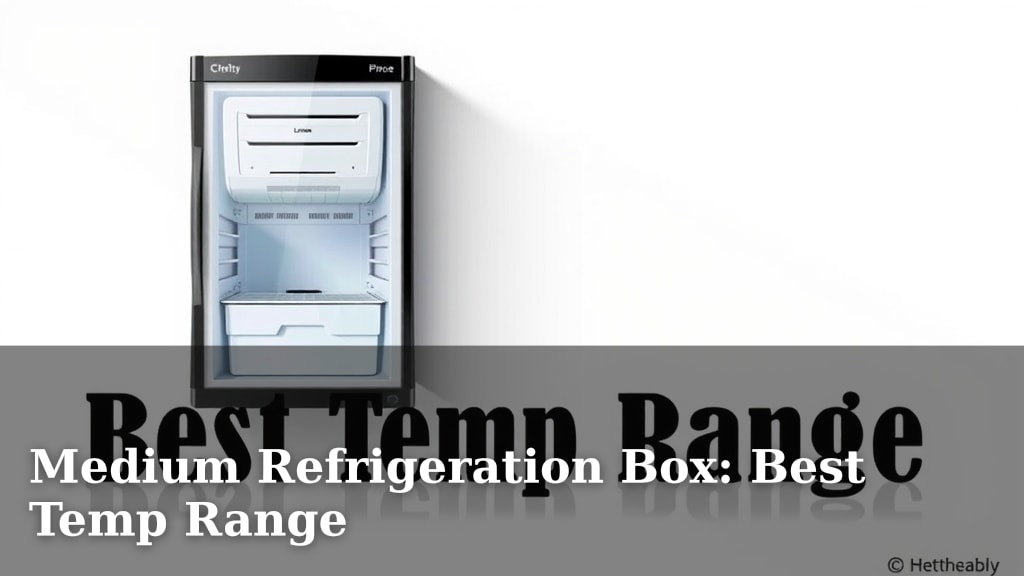
Medium Refrigeration Box: Best Temp Range
The best temperature range for a medium refrigeration box, often called a cooler or ice chest, is typically between 35°F and 40°F (1.7°C and 4.4°C). This range is ideal for keeping food and drinks cold and significantly slowing down bacterial growth, helping to prevent spoilage.
Keeping your cooler within this target temperature is super important for food safety and for enjoying your refreshments. Exceeding 40°F means food can enter the “danger zone” where bacteria multiply quickly. We found that maintaining a consistent cold temperature helps your ice last longer too, which is a win-win!
- The ideal temp is 35-40°F (1.7-4.4°C).
- This range keeps food safe and prevents spoilage.
- It slows down bacteria growth significantly.
- Aiming for this temp also makes your ice last longer.
Now that you know the magic numbers, let’s get into the details of how to achieve and maintain that perfect temperature in your medium refrigeration box.
“`htmlKeeping Your Cooler at the Ideal Temperature
You’ve got your medium refrigeration box ready to go. Now, let’s talk about the sweet spot for temperature. We found that aiming for a range between 35°F and 40°F (1.7°C and 4.4°C) is your best bet. This isn’t just a random guess; it’s based on science and common sense for food safety.
Why this specific range? Well, temperatures above 40°F are often called the “danger zone” by food safety experts. In this zone, bacteria can multiply rapidly. We’re talking about bacteria that can make you sick. Keeping your cooler nice and cold, below 40°F, significantly slows down this bacterial growth. It’s like putting the bacteria on a slow-motion replay.
The Science Behind the Chill: Why Temperature Matters
Think of your cooler as a mini-refrigerator. Its main job is to keep perishable items cold enough to prevent spoilage. This means keeping them out of that dangerous temperature range.
Battling Bacteria: The Cold Front
Bacterial growth is a race against time and temperature. Many harmful bacteria, like Salmonella and E. coli, thrive in warmer environments. Research shows that most of these bacteria don’t necessarily die at refrigeration temperatures, but their growth is dramatically slowed down (CDC). This is exactly what you want when you’re packing food for a picnic, a camping trip, or just a long day at the beach.
When your cooler consistently stays between 35°F and 40°F, you’re creating an environment where these microscopic troublemakers can’t get a foothold. This helps ensure the food you eat is safe and fresh, reducing your risk of foodborne illness.
Preserving Quality and Taste
It’s not just about safety; temperature also affects the quality of your food and drinks. Think about your favorite beverage. Would you rather have it lukewarm or perfectly chilled? Keeping things cold preserves their intended flavor and texture. Soggy sandwiches and warm soda are no fun. A well-maintained cooler means your food and drinks will taste just as good as they should.
Factors Influencing Your Cooler’s Temperature
Achieving that ideal 35-40°F isn’t always as simple as closing the lid. Several things can affect how well your cooler holds its temperature. Understanding these factors will help you keep things perfectly chilled.
The Quality of Your Cooler Matters
Not all coolers are created equal. We found that high-quality, well-insulated coolers perform much better. These are often made with thicker walls and better seals. They are designed to prevent outside heat from creeping in and inside cold from escaping. Cheaper, thinner coolers might struggle to maintain the target temperature, especially in warm weather.
Insulation: The Key Player
The insulation in your cooler is its armor against the heat. Better insulation means a more stable internal temperature. Think of it like a cozy blanket for your ice and food.
Seal Integrity: Keeping the Cold In
Check the lid seal on your cooler. A good seal prevents warm air from entering and cold air from escaping. If the seal is damaged or worn, you’ll lose cold air faster. This means your ice will melt quicker, and your food will warm up. We often forget about this small detail, but it makes a big difference.
Ice Packs vs. Loose Ice: What’s Best?
You have options when it comes to keeping things cold. Both ice packs and loose ice can work, but they have different performance characteristics.
Loose Ice: The Classic Approach
Using block ice or cubed ice is a common method. Block ice tends to last longer than cubed ice because it has less surface area exposed to the air. For best results, we found that pre-chilling your cooler with a bag of ice for a few hours before packing can help. This gets the internal walls cold from the start.
Ice Packs: Convenient and Consistent
Reusable ice packs offer a clean and convenient option. They don’t create meltwater, which can be a big plus. Some are designed to stay frozen longer than others. We found that using a combination of ice packs and loose ice can be very effective for maintaining a consistent temperature.
Packing Strategies for Optimal Cooling
How you pack your cooler is just as important as the type of ice you use. A well-packed cooler keeps things colder for longer.
Pre-Chill Everything
Before you even think about putting food in, chill your cooler. If you can, place it in a cool environment for a few hours. Also, make sure all the food and drinks you’re packing are already cold. Putting warm items into a cooler forces it to work harder to cool them down.
Pack Tightly, But Not Too Tightly
Fill your cooler as much as possible without cramming. Air pockets allow warm air to circulate. We found that filling empty spaces with towels or extra ice packs can help maintain temperature. However, don’t pack it so tightly that air can’t circulate around items.
Organize for Access
Think about what you’ll need first. Place items you’ll need later at the bottom. Keep frequently accessed items near the top. This minimizes the time the cooler is open, reducing temperature loss.
Keep it in the Shade
This might seem obvious, but direct sunlight can heat up your cooler very quickly. Always try to keep your cooler in a shaded area. If shade isn’t available, consider covering it with a blanket or tarp for extra insulation.
Maintaining the Temperature Over Time
Your cooler’s job isn’t done once it’s packed. You need to actively manage its temperature throughout its use.
The “Open and Close” Rule
Every time you open the lid, you’re letting cold air escape and warm air rush in. We found that minimizing how often you open the cooler is key. Try to have a plan for what you need before you open it.
Replenishing Your Ice Source
Depending on your trip length and the ambient temperature, you may need to replenish your ice. If you’re using loose ice, you might need to drain some meltwater and add fresh ice. For ice packs, you’ll want to refreeze them when possible.
Here’s a quick checklist to help you maintain that perfect cooler temperature:
- Pre-chill your cooler and all its contents.
- Use a high-quality cooler with good insulation.
- Pack your cooler full, minimizing air pockets.
- Keep the cooler closed as much as possible.
- Always store the cooler in the shade.
- Replenish ice as needed, especially on longer trips.
Conclusion
You’ve learned that keeping your medium refrigeration box between 35°F and 40°F is essential for food safety and quality. This chill zone significantly slows bacterial growth, preventing spoilage and ensuring your food tastes great. Remember, a quality cooler, proper packing, and mindful usage, like minimizing lid openings and keeping it in the shade, are your best allies. Start applying these tips on your next outing to enjoy perfectly chilled food and drinks!
Frequently Asked Questions
How can I quickly check if my cooler is maintaining the right temperature?
The easiest way is to use a reliable refrigerator thermometer. Place it inside your cooler for a few hours, ideally when it’s packed and chilling. Check the reading to see if it falls within the 35°F to 40°F range.
Will putting dry ice in my cooler affect the ideal temperature range?
Dry ice is much colder than regular ice (around -78.5°C or -109.3°F) and can freeze items. While it keeps things very cold, it will likely drop your cooler’s temperature below the ideal 35-40°F range, potentially freezing your food and drinks. Use with caution if you aim for the standard refrigeration temps.
Is it okay if my cooler occasionally goes above 40°F for a short time?
For food safety, try to avoid prolonged periods above 40°F. Bacteria multiply rapidly in the “danger zone” between 40°F and 140°F. Short, unavoidable fluctuations might happen when you open the lid, but aim to get it back into the safe zone as quickly as possible.
How much ice do I actually need for a medium cooler?
A good rule of thumb is to fill about half to two-thirds of your cooler with ice. We found that using a combination of block ice and cubed ice helps maintain temperature longer. Remember to pre-chill your cooler before packing for better ice retention.
Can I use frozen water bottles instead of ice packs?
Yes, frozen water bottles are a great alternative to ice packs. They are convenient, won’t create meltwater mess, and as they thaw, you have cold drinking water. We’ve found they perform similarly to reusable ice packs in maintaining cooler temperatures.