16 oz Boxing Gloves vs 10 oz: A Complete Guide to Choosing Your Perfect Pair

When you’re stepping into the boxing ring or setting up your home gym, one of the first decisions you’ll face is choosing the right glove weight. Should you go with 16 oz boxing gloves or stick with the lighter 10 oz option? It’s not as straightforward as you might think, and honestly, it’s a question that deserves a thoughtful answer. Let me walk you through everything you need to know to make the best choice for your specific needs.
Understanding Boxing Glove Weights and What They Actually Mean
Before we dive into the comparison, let’s clarify what boxing glove weight actually represents. When manufacturers label a glove as 10 oz or 16 oz, they’re referring to the total weight of the glove itself—not the impact force it delivers. Think of it like choosing between a regular pillow and a thick, fluffy one. The heavier pillow doesn’t hit harder; it just has more material and cushioning.
The weight measurement is crucial because it affects how the glove distributes force across your opponent’s face or body. A heavier glove spreads that impact over a wider area, while a lighter glove concentrates the force more intensely into a smaller region. This fundamental difference is what makes choosing between 16 oz and 10 oz so important for your boxing journey.
The Case for 10 oz Boxing Gloves: Speed and Agility
Why Lighter Gloves Appeal to Many Boxers
If you’re someone who values speed and wants to feel every movement your hands make, 10 oz gloves might be your sweet spot. These gloves are significantly lighter, which means your arms experience less fatigue during training sessions. When you’re throwing combinations rapid-fire, that lighter weight makes a noticeable difference in how long you can maintain your intensity.
Professional fighters often prefer lighter gloves when they’re competing because the reduced weight allows for quicker hand speed and more fluid footwork. Your defensive maneuvers become snappier, and you can slip punches with greater ease. It’s like the difference between running in heavy boots versus lightweight trainers—you just feel more agile and responsive.
Speed Advantages of 10 oz Gloves
- Faster punch combinations and counter-attacks
- Quicker hand recovery between shots
- Less arm fatigue during extended rounds
- Improved footwork coordination
- Better hand speed for precision striking
When You Should Choose 10 oz Gloves
If you’re competing at a professional or amateur level, 10 oz gloves are often the standard choice. Most boxing organizations allow 10 oz gloves for fights in certain weight classes, particularly for welterweight and above. You’ll also want to consider 10 oz if you’re training with a partner who can handle the increased impact, or if you’ve been boxing for several years and have developed the technical skills to compensate for the lighter protection.
The Case for 16 oz Boxing Gloves: Protection and Safety
Why Heavier Gloves Are the Safer Choice
Now let’s talk about 16 oz gloves—these are the guardians of your hands and your opponent’s head. With nearly 60% more padding than their 10 oz counterparts, these gloves distribute impact forces much more effectively. If you’re worried about brain injury, hand damage, or simply want to train in a way that prioritizes safety, 16 oz gloves are the way to go.
Think about it this way: imagine catching a falling object with your bare palm versus catching it on a thick cushion. The outcome is drastically different. That’s essentially what 16 oz gloves do—they create a protective barrier that significantly reduces the force transmitted to both your hands and your opponent’s face or body.
Protection Features of 16 oz Gloves
- Maximum padding for wrist and hand support
- Reduced impact force on opponent’s head
- Lower concussion risk during sparring
- Better protection for developing boxers
- Ideal for women’s training due to weight class considerations
- Superior comfort for extended training sessions
Who Should Use 16 oz Gloves
If you’re just starting your boxing journey, 16 oz gloves are absolutely the right choice. Your hands are still developing the strength and conditioning they need, and heavier gloves provide that crucial safety net. Additionally, if you’re training women or younger athletes, 16 oz is the standard recommendation because it offers maximum protection while developing proper technique.
Comparing Impact and Force Distribution
How Weight Affects Impact Dynamics
Here’s where physics comes into play. When you throw a punch, the energy generated comes from your legs, hips, and torso—not the glove itself. However, the glove weight significantly influences how that energy is delivered. A 10 oz glove concentrates force more intensely, making the impact feel sharper and more localized. A 16 oz glove spreads that same energy across a larger surface area, creating a broader but less intense impact.
Studies on boxing safety have shown that heavier gloves reduce peak impact forces by approximately 10-15 percent compared to lighter gloves. While this might not sound dramatic, over the course of a training camp with hundreds of punches thrown, that reduction in cumulative impact adds up significantly.
The Speed vs. Safety Tradeoff
This is the fundamental tension in boxing glove selection. You’re essentially choosing between two competing priorities: maximum speed and minimal protection, or slightly reduced speed in exchange for substantial safety gains. Neither choice is inherently wrong—it depends entirely on your boxing goals and current skill level.
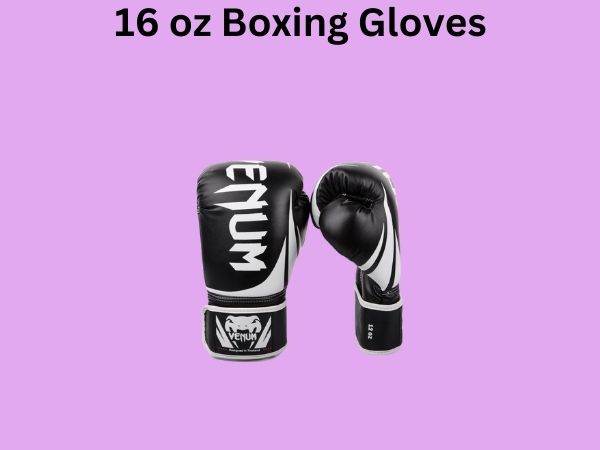
Training Considerations: Which Glove for Your Workout?
Heavy Bag Work and 10 oz vs. 16 oz
When you’re working the heavy bag, your choice matters more than you might think. With 10 oz gloves, you’ll feel the impact more directly, which gives you better feedback on your punch technique. You can sense whether you’re making clean contact or not. However, this also means more impact on your hands and wrists. Many boxers rotate between both weights—using 10 oz for technical work where they need that feedback, and 16 oz for high-volume conditioning rounds where protection matters more.
Sparring and Glove Selection
Sparring is where glove choice becomes really important. If you’re doing light technical sparring with a skilled partner, 10 oz gloves can work fine. But if you’re doing moderate to heavy contact sparring, switching to 16 oz is the responsible choice. Your sparring partner appreciates the extra cushioning, and you reduce the risk of accidental injuries that could sideline your training.
Mitt Work and Pad Training
For mitt work with a trainer, many boxers prefer 10 oz gloves because they offer better feedback to the coach. The trainer can feel your punch precision and timing more clearly. However, if you’re working with lighter pads or doing high-volume combinations, 16 oz can help reduce the impact stress on both your hands and your trainer’s arms.
Hand and Wrist Health: Long-Term Considerations
Preventing Hand Injuries with Proper Glove Selection
Your hands are your boxing tools, and taking care of them should be a priority. Repetitive impact from punching can lead to arthritis, joint deterioration, and chronic pain if you’re not careful. Using heavier 16 oz gloves for the majority of your training provides better shock absorption and reduces the cumulative stress on your hand joints.
Think about boxers who’ve trained for decades—the ones with healthy hands typically spent more time in heavier gloves during their development years. The ones with chronic hand pain often trained too much in lighter gloves too early in their careers.
Wrist Support Comparison
Beyond just the hand, your wrist takes a beating in boxing. Heavier gloves generally offer superior wrist support because the increased padding provides better stabilization. If you’ve ever experienced wrist pain during or after boxing, switching to 16 oz gloves might be the solution you’ve been looking for.
Competitive Boxing: Rules and Regulations
Amateur Boxing Glove Requirements
Amateur boxing organizations have specific rules about glove weight. Most amateur competitions require 10 oz gloves for male fighters in middleweight and above, and 8 oz or 10 oz for lighter weight classes. Women’s amateur boxing typically allows 10 oz gloves across all weight classes. Youth amateur boxing usually requires heavier 12 oz or 16 oz gloves to ensure maximum safety for developing athletes.
Professional Boxing Standards
In professional boxing, the rules are even more specific. Most professional bouts use 8 oz gloves for lighter weight classes and 10 oz for middleweight and above. These regulations exist to create standardized conditions across all fights and weight classes, making sure that championships are won based on skill and strategy rather than equipment advantages.
Age and Experience: Matching Glove Weight to Your Level
Beginners: Why 16 oz Is Recommended
If you’re brand new to boxing, starting with 16 oz gloves is the gold standard recommendation. Your technique is still developing, your hand conditioning hasn’t fully matured, and you don’t yet have the experience to train safely with lighter gloves. The heavier gloves provide a training buffer that allows you to make mistakes without serious consequences.
Intermediate Boxers: Time to Experiment
Once you’ve spent 6-12 months training consistently, you might start incorporating some 10 oz glove work. At this level, you’re developing the technical proficiency to handle lighter gloves while still maintaining your 16 oz work for safety. Many intermediate boxers use a mixed approach—training in both weights depending on the workout.
Advanced Athletes: Glove Selection by Purpose
Advanced boxers typically have a strategic approach to glove selection. They’ll use 10 oz for competition preparation and speed-focused work, while maintaining 16 oz work for high-volume conditioning and hand health maintenance. This balanced approach allows them to peak for competition while protecting their long-term athletic career.
Cost Analysis: Investment in Your Boxing Equipment
Price Differences Between Weights
Generally speaking, boxing gloves are priced based on quality and brand rather than weight. A premium 10 oz pair might cost the same as a premium 16 oz pair. Entry-level 16 oz gloves are often slightly cheaper than entry-level 10 oz options, simply because the 10 oz market skews toward more serious competitive athletes who are willing to pay for quality.
Smart Equipment Investment Strategy
If you’re starting out, invest in one quality pair of 16 oz gloves that will last. As you progress, you might add a pair of 10 oz gloves to your collection. Many serious boxers eventually own both weights and rotate them strategically throughout their training week. This isn’t just about preference—it’s about maximizing performance while protecting your long-term health.
Comfort and Fit: How Weight Affects Feel
Getting Accustomed to Different Weights
When you first switch from one weight to another, there’s an adjustment period. The heavier 16 oz gloves will feel sluggish initially if you’re used to 10 oz, and conversely, 10 oz will feel almost uncomfortably light if you’re transitioning from 16 oz. This adaptation usually takes 2-3 training sessions before your body adjusts.
Hand Position and Punching Mechanics
The weight difference can subtly affect your hand position and punching angles. Some boxers find that lighter gloves make it easier to maintain tight hand position, while others feel that the extra padding in 16 oz gloves encourages them to keep their hands higher for better defense. This is another reason why training in both weights can improve your overall boxing skills.
Injury Prevention and Recovery
How Glove Choice Affects Injury Risk
The relationship between glove weight and injury is well-documented. Boxers who primarily train in lighter gloves experience higher rates of hand injuries, concussions during sparring, and repetitive strain injuries. Those who maintain a balance between lighter and heavier gloves, or who do most of their work in heavier gloves, show better long-term health outcomes.
Recovery Between Sessions
Using heavier gloves reduces the physical stress on your body, which means better recovery between training sessions. If you’re noticing that you need extra recovery time or that your hands are constantly sore, switching to 16 oz gloves for most of your training might be exactly what you need.
Real-World Scenarios: Practical Decision Making
Scenario 1: The Fitness Boxer
You’re training boxing purely for fitness, not competition. You hit the heavy bag and pads twice a week, rarely spar, and want to stay healthy long-term. Clear answer: 16 oz gloves are perfect for you. They provide all the protection you need while delivering an excellent workout.
Scenario 2: The Aspiring Competitor
You’ve been training for a year and are considering amateur competition. You’re sparring regularly and want to be match-ready. Strategy: Train 80% of the time in 16 oz gloves to maintain hand health, but incorporate 10 oz work 2-3 times per week to prepare for competition-style fighting.
Scenario 3: The Professional Fighter
You’re a professional boxer with upcoming fights. Your training camp likely involves 10 oz glove work for competition preparation, but don’t abandon 16 oz entirely. Top professionals still do 30-40% of their training in heavier gloves to protect their hands and maintain their long-term career health.
Conclusion
Choosing between 16 oz and 10 oz boxing gloves isn’t about finding a universal right answer—it’s about understanding your specific situation and making an informed choice. If you’re beginning your boxing journey, 16 oz gloves are the clear recommendation. They provide superior protection, help develop proper technique, and protect your long-term hand health. If you’re an experienced boxer preparing for competition, incorporating 10 oz glove work into your training makes sense, but don’t abandon heavier gloves entirely.
The truth is, many successful boxers use both weights strategically throughout their careers. Beginners start with 16 oz, intermediate boxers experiment with 10 oz while maintaining 16 oz work, and advanced athletes use both weights with specific purposes in mind. Your choice should reflect your current skill level, training goals, and commitment to long-term health. Listen to your body, work with experienced coaches, and remember that protecting yourself today ensures you can enjoy boxing for many years to come.
Frequently Asked Questions
Can I use 16 oz gloves for competition if they’re legal?
Technically, some amateur organizations allow heavier gloves, but most competitive boxing at the amateur and professional level uses lighter gloves as specified by the rules. If you’re planning to compete, check your specific organization’s regulations. That said, training primarily in 16 oz gloves doesn’t prevent you from competing—you just need to incorporate some 10 oz work a few weeks before your fight to adapt to the lighter feel.