Safety First: How a Junction Box Works in Your Home Wiring
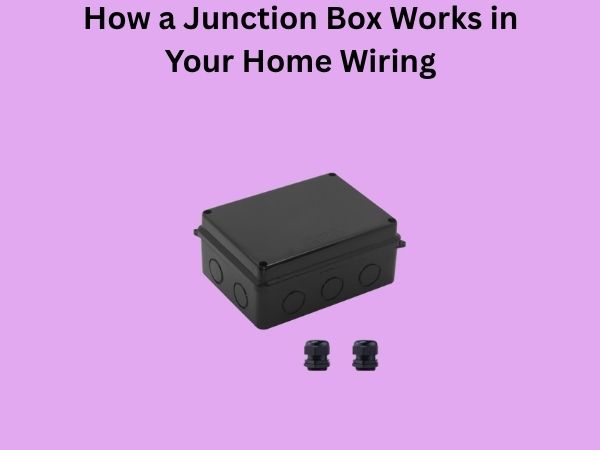
Have you ever wondered what those mysterious boxes tucked away in your walls or attic are actually doing? Well, I’m talking about junction boxes, and they’re doing something pretty important for your home’s electrical system. Think of them as the meeting points where electrical conversations happen. Without them, your home’s wiring would be chaotic, dangerous, and frankly, a safety nightmare. Let me walk you through exactly how these essential components work and why you should care about them.
Understanding the Basics: What Is a Junction Box?
A junction box is essentially a protective container that houses electrical connections. Imagine it as a safe room where wires can meet, connect, and redistribute power without exposing anyone to live electrical currents. These boxes are typically made of plastic or metal and come in various sizes depending on what they need to contain. They’re installed inside walls, ceilings, and crawl spaces throughout your home, serving as the skeleton of your electrical system.
The primary purpose of a junction box is to provide a secure enclosure where electrical wires can be spliced or connected together. Without these boxes, bare wire connections would be exposed, creating serious safety hazards like electrical shocks, fires, and electrocution risks. It’s not just about convenience—it’s about keeping your family safe.
The Different Types of Junction Boxes
Not all junction boxes are created equal. Depending on your home’s needs and location, different types serve different purposes. Let me break down the main varieties you’ll encounter.
Plastic Junction Boxes
These are the most common type found in residential homes. They’re affordable, lightweight, and perfectly adequate for indoor, dry locations. Plastic boxes are easy to cut knockouts from—those are the pre-made openings where wires enter and exit. They work great in standard wall cavities where there’s no moisture or extreme heat exposure.
Metal Junction Boxes
Metal boxes offer superior protection and durability. They’re often used in commercial settings or in areas of your home where extra protection is needed. These boxes can handle higher temperatures and are less likely to crack or warp over time. They’re also grounded, which means they provide an additional layer of safety against electrical hazards.
Weatherproof Junction Boxes
If you’re dealing with outdoor installations, like connecting exterior lighting or power to a detached garage, you’ll need weatherproof boxes. These have sealed covers that prevent water and moisture from entering, which could cause short circuits or corrosion. They’re built tough to withstand rain, humidity, and temperature fluctuations.
Fire-Rated Junction Boxes
Some areas of your home, particularly near fireplaces or in fire-rated walls, require special fire-rated junction boxes. These are constructed from materials that can withstand high temperatures and prevent fire from spreading through the box into wall cavities.
How Electricity Flows Through Junction Boxes
Think of your home’s electrical system like a highway network. The main electrical panel is like the central hub, and the junction boxes are like interchange points where traffic (electricity) gets routed to different destinations. Here’s how it actually works in practice.
Electricity enters your home through the main service panel, where it’s distributed to various circuits. These circuits are like different routes on our highway metaphor. As these routes travel through your walls and ceilings, they occasionally need to change direction, split into multiple paths, or connect to other circuits. That’s where junction boxes come in. They’re the logical stopping points where these connections safely occur.
Inside a junction box, wires are typically connected using wire nuts, terminal blocks, or other approved connectors. These connectors ensure a tight, secure connection that won’t loosen over time. A loose connection is incredibly dangerous because it generates heat, which can start fires. That’s why junction boxes are so critical—they keep all connections contained, organized, and inspectable.
The Internal Components and How They Work Together
Let’s dive deeper into what you’ll actually find inside a junction box when you open one up. Understanding these components helps you appreciate why these boxes are so important for your home’s safety.
Wire Connectors and Terminals
Wire connectors, commonly called wire nuts, are small, threaded caps that twist onto the stripped ends of two wires to join them together. They create a mechanical and electrical connection that’s secure and stable. Different sized wire nuts are used depending on the gauge of wire being connected—thicker wires need larger connectors.
Terminal blocks are another connection method where wires are inserted into slots and secured with screws. These are often used in more permanent installations and offer excellent reliability. Some boxes might use both methods, depending on the application.
The Box Itself and Its Structure
The junction box serves as more than just a container. Its walls are designed to contain any potential electrical arc or spark that might occur if something goes wrong. The interior space is calculated based on the number of wires that will be inside—codes require a minimum amount of space per wire to ensure safe operation and easy maintenance.
Most junction boxes have knockouts, which are pre-scored circular sections that can be removed to create openings for wires and cables. You literally knock them out with a hammer and screwdriver to create the size opening you need. Once the wires are in place, you cover the unused knockouts with blank plates to maintain the box’s protective integrity.
The Cover Plate
A cover plate seals the junction box after all connections are made. This is crucial for safety because it prevents accidental contact with live electrical connections inside. Cover plates come in various styles—blank plates for boxes that aren’t accessed often, and hinged covers for boxes that need occasional access for maintenance or future modifications.
Where Junction Boxes Are Located in Your Home
Junction boxes aren’t randomly placed throughout your home. They’re strategically positioned wherever the electrical system needs to make a connection or route change. Knowing where they typically are helps you understand your home’s electrical layout.
- Inside walls: Where circuits run horizontally or vertically and need to change direction
- Attic spaces: Where wiring for ceiling fixtures and upper-level circuits is routed
- Basements and crawl spaces: Where wiring for lower-level circuits and outdoor connections originates
- Under floors: In homes with basement or crawl space access, where circuits transition between levels
- Near electrical panels: Where major circuit connections are made and distributed
- At light fixtures and outlets: Where connections to specific devices are made
The Safety Standards and Codes That Govern Junction Boxes
You might think junction boxes are just a matter of common sense, but they’re actually governed by strict electrical codes. In the United States, the National Electrical Code (NEC) sets specific requirements for junction box installation, sizing, and use. These codes exist because electrical safety is literally a life-and-death matter.
The NEC specifies exactly how many wires can fit in a box of a given size, how deep the box must be, how wires must be supported, and what types of connections are acceptable. Your local building codes may have additional requirements on top of these. When a licensed electrician installs new circuits or makes modifications, they’re following these codes to ensure everything is safe and up to standard.
Why These Standards Matter
These aren’t arbitrary rules created to inconvenience electricians. Every requirement in the electrical code exists because someone, somewhere, experienced a dangerous situation that could have been prevented. Over decades, these codes have been refined based on real-world failures, fires, and accidents. When you comply with them, you’re benefiting from the hard-won lessons of the electrical industry.
Common Problems That Occur with Junction Boxes
Even though junction boxes are designed to be reliable, problems can occur over time. Understanding these issues helps you recognize when professional attention is needed.
Loose Connections
Over time, wire connectors can loosen slightly due to vibration, temperature changes, or poor initial installation. A loose connection creates electrical resistance, which generates heat. This heat can damage the wire insulation and potentially start a fire. This is why it’s important to have a licensed electrician inspect connections periodically, especially in older homes.
Overcrowded Boxes
If someone adds wiring to a junction box without considering the size limitations, you end up with an overcrowded situation. Too many wires in a box can’t be properly supported or arranged, creating kinks that damage insulation and increasing the risk of accidental contact between conductors.
Missing or Damaged Cover Plates
A junction box without a proper cover plate is like a car without a roof. It leaves live electrical connections exposed to accidental contact. If you find a junction box without a cover, treat it as an immediate issue requiring professional attention.
Water Damage or Corrosion
In damp areas or outdoor installations, moisture can infiltrate the box and cause corrosion. This can create connections that are unreliable or even dangerous. Proper installation with weatherproof boxes prevents this, but if it has already occurred, the connections need to be professionally evaluated and likely replaced.
How Electricians Install Junction Boxes Properly
If you’re curious about the professional installation process, here’s what it looks like when done correctly.
First, the electrician determines where the junction box needs to go based on the circuit layout. They select an appropriately sized box for the number of wires it will contain. Next, they secure the box to a stud or other structural element so it’s stable and won’t shift. The box is positioned so the front face will be flush with the finished wall surface, whether that’s drywall, tile, or paneling.
Wires are then fed through the knockouts, and the unused knockouts are covered with blank plates. The wire connections are made carefully, ensuring each connection is tight and secure. Finally, the cover plate is installed. When done properly, the junction box is accessible for future maintenance but not obvious in your finished room.
Accessing Junction Boxes: When You Might Need To
Most homeowners never need to access their junction boxes, and honestly, that’s fine. These are not DIY projects for untrained individuals. However, electricians access them for legitimate reasons like adding new circuits, troubleshooting problems, or inspecting for safety issues.
If you ever suspect a problem with a junction box—like a burning smell, visible damage, or warm covers—contact a licensed electrician immediately. Don’t try to investigate it yourself or cover up any visible issues. Electrical problems don’t get better with time; they get worse.
The Difference Between Junction Boxes and Other Electrical Enclosures
Sometimes people confuse junction boxes with other electrical components, so let me clarify the differences.
Outlet Boxes
Outlet boxes (also called receptacle boxes) are specifically designed to house electrical outlets or switches. While they serve a similar protective function, they’re designed differently than junction boxes because outlets and switches need to be accessible to users. They’re shallower and come in standard sizes to accommodate outlet and switch mechanisms.
Electrical Panels
The main electrical panel is much larger and more complex than a junction box. It contains circuit breakers, the main disconnect, and the distribution bus bars that route electricity throughout your home. It’s the central hub of your entire electrical system, whereas junction boxes are just connection points along the circuits.
Conduit Boxes
When wiring is run through metal or PVC conduit (protective tubing), boxes are needed at junction points. Conduit boxes are designed to work with conduit systems and have different knockout configurations than standard junction boxes.
Understanding Wire Gauge and Junction Box Capacity
Here’s something that confuses many people: why can’t you just keep adding wires to any junction box? The answer involves wire gauge, electrical code, and basic physics.
Wire gauge refers to the thickness of the electrical conductor. Thicker wires (lower gauge numbers) can carry more current safely. A 12-gauge wire is thicker than a 14-gauge wire, for example. Each wire needs a certain amount of space inside the box for safe operation. Larger wires take up more space, so you can fit fewer of them in the same box.
The electrical code calculates the usable volume of a box and specifies minimum space requirements per wire. This ensures that wires can be arranged without crossing or pinching each other in ways that might damage insulation. When an electrician selects a junction box, they’re calculating based on the wire gauges that will be in it, not just the number of wires.
Modern Advances in Junction Box Design
While junction boxes might seem like a pretty static technology, there have actually been some interesting improvements over the years. Modern boxes often feature faster knockouts that are easier to remove, cleaner designs that make wiring neater, and better marking systems that help electricians understand box capacity at a glance.
Some specialty boxes now include integral grounding points and more refined connection options. There are also push-connector systems that some electricians prefer because they create consistent, reliable connections without relying on manual tightening of wire nuts.
Inspecting Junction Boxes in Older Homes
If you live in an older home, the junction boxes might be quite different from modern installations. Older boxes might be smaller, made of different materials, or installed without today’s safety standards in mind. This doesn’t necessarily mean your home is unsafe, but it does mean periodic inspection by a qualified electrician is a smart idea.
Over time, wire insulation deteriorates, connections can loosen, and codes evolve. A professional inspection can identify any safety concerns and recommend whether updates are needed. Many older homes are perfectly safe; they just benefit from knowing they’ve been properly evaluated.
Conclusion
Junction boxes are one of those invisible safety features that you really appreciate once you understand what they do. They’re not glamorous or exciting, but they’re absolutely essential for keeping your home’s electrical system safe and functional. They provide secure connection points for the wires that deliver electricity throughout your home, protecting you and your family from the very real dangers of exposed electrical connections.
When you know how junction boxes work—how they contain connections, follow strict safety codes, and require proper sizing and installation—you develop a healthy respect for them. You understand why DIY electrical work is risky and why hiring licensed electricians is worth the investment. These professionals understand junction box codes and best practices in ways that keep your home safe for decades.
The next time you happen to notice a junction box in your attic or basement, take a moment to appreciate the quiet work it’s doing. It’s part of the backbone of your home’s electrical system, working 24/7 to keep power flowing safely where it needs to go.
Frequently Asked Questions
Can I install a junction box myself?
While physically installing a junction box might seem straightforward, the electrical work involved should only be done by a licensed electrician. The connections inside the box must follow strict codes, and improper installation creates serious safety hazards including electrocution risk and fire danger. Most jurisdictions require permits for electrical work, and unpermitted installations can affect your home’s resale value and void insurance coverage. Unless you’re a trained electrician, leave this to the professionals.
How often should junction boxes be inspected?
There’s no standard inspection schedule for junction boxes in most homes since they’re usually trouble-free once properly installed. However, if you’re having electrical problems, doing a major renovation, or living in a home older than 30 years, having a licensed electrician inspect your junction boxes is wise. Additionally, if you notice any warning signs like burning smells, warm covers, or flickering lights, get an inspection immediately.
What size junction box do I need?
The correct size depends on the wire gauge and number of