How a Steering Box Works: A Complete Guide to Your Vehicle’s Most Crucial Control System
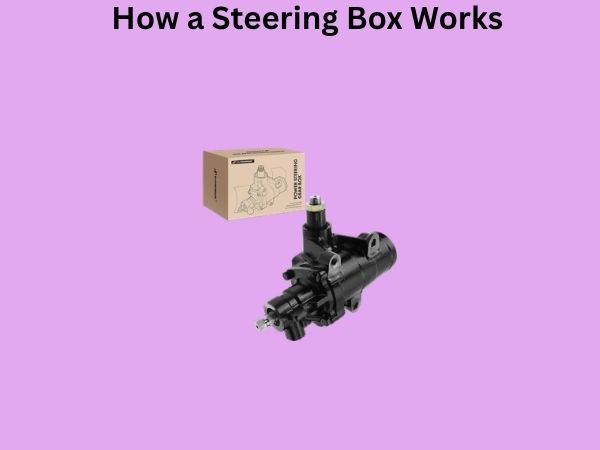
Have you ever thought about what happens the moment you grip your steering wheel and turn it? Probably not, right? Most of us just turn the wheel and expect the front tires to respond instantly. But there’s an incredible mechanical symphony happening underneath your vehicle, and at the heart of it all sits something called the steering box. This component is absolutely essential to your driving experience, yet many people couldn’t explain what it does if their lives depended on it.
The steering box is like the translator between your intentions and your vehicle’s actions. When you want to go left, you turn the wheel left. But how does that rotational motion from your hands become the actual movement of your wheels? That’s where the steering box steps in. It’s the unsung hero of vehicle control, responsible for converting the circular motion of your steering wheel into the precise side-to-side movement that directs your car down the road.
In this comprehensive guide, we’re going to unlock the mysteries of the steering box. Whether you’re a curious car enthusiast, a mechanic looking to refresh your knowledge, or simply someone who wants to understand their vehicle better, you’re in the right place.
Understanding Steering Box Fundamentals: The Basics You Need to Know
Let’s start with the absolute fundamentals. A steering box, also called a steering gearbox, is a mechanical device that sits in your vehicle’s steering system. Its primary job is to multiply the force you apply to your steering wheel, making it easier for you to steer your vehicle, especially at low speeds or when parking.
Think of it like a lever system. When you apply a small force at one end of a lever, you can move a much larger object at the other end. Your steering box works on similar principles, using gears and mechanical advantage to make steering effortless.
The Core Function
The core function of a steering box is deceptively simple: it takes the rotation of your steering wheel and converts it into linear motion that moves your wheels. But “simple” doesn’t mean easy to engineer. This conversion has to happen smoothly, responsively, and with precision.
The steering box connects your steering column (the shaft that extends from your steering wheel down toward the engine) to your steering linkage. This linkage includes components like tie rods and steering arms that physically move your wheels left and right. The steering box is the bridge between these two systems.
Why It’s Called a “Box”
You might wonder why it’s called a steering “box.” Well, if you look at one, it’s basically housed in a metal box-shaped casing. Inside this box are gears, shafts, and other mechanical components that work together in harmony. The box design helps protect these delicate parts from dirt, moisture, and physical damage.
A Brief History: How Steering Boxes Evolved Over Time
Before we understand how modern steering boxes work, it’s helpful to know where they came from. Early automobiles didn’t have steering boxes at all. The very first cars used simple mechanical linkages that directly connected the steering wheel to the wheels. This meant that steering required tremendous physical effort, and the driver felt every bump and pothole through the steering wheel.
In the 1920s and 1930s, engineers realized they needed a better system. That’s when steering boxes were introduced. The first steering boxes used simple gear ratios that made steering easier by multiplying the force applied by the driver. These were mechanical-only systems, requiring no outside power.
Then came another revolution: power steering. In the 1950s, manufacturers began adding hydraulic assistance to steering boxes. This meant that a hydraulic pump, typically driven by the engine, could add force to the steering system, making steering even easier. This was a game-changer, especially for larger vehicles and trucks.
More recently, we’ve seen the introduction of electronic power steering, where electric motors assist steering instead of hydraulic systems. However, many vehicles still use traditional hydraulic steering boxes, and understanding them remains important for anyone who wants to know how their vehicle works.
Inside the Box: Key Components That Make It Work
Now let’s get into what actually makes a steering box function. A steering box contains several crucial components, each playing a specific role in the overall system.
The Input Shaft
The input shaft is where everything begins. This shaft connects directly to your steering column, meaning it rotates when you turn your steering wheel. It’s the first point of contact in the steering box system. When you turn the wheel one full rotation, the input shaft also makes one full rotation.
The Worm Gear
Attached to the input shaft is a component called the worm gear. This isn’t a typical gear with teeth around its circumference. Instead, it looks like a screw thread. Imagine a screw that meshes with another gear. That’s essentially what a worm gear does. This design is brilliant because it creates a large gear ratio, meaning a single rotation of the input shaft can cause a much larger movement in the output components.
The Roller or Sector Gear
The worm gear meshes with what’s called a roller gear or sector gear (depending on the design). As the worm gear rotates, it causes this gear to pivot back and forth. This oscillating motion is crucial because it transforms the continuous rotation of your steering wheel into the back-and-forth motion needed to move your wheels left and right.
The Pitman Arm
Connected to the roller gear is the pitman arm, which is the output of the steering box. This arm moves in an arc, pushing and pulling on the steering linkage. The pitman arm is literally your connection to the wheels, translating all the mechanical work happening inside the box into actual wheel movement.
Bearings and Bushings
Throughout the steering box, you’ll find various bearings and bushings that allow all these components to move smoothly with minimal friction. These are critical for ensuring your steering feels responsive and doesn’t bind up.
The Journey of Motion: From Wheel to Wheels
Let’s trace exactly what happens when you turn your steering wheel. This journey illustrates just how elegant mechanical engineering can be.
Step One: You Turn the Wheel
Everything starts with you. You grip your steering wheel and turn it clockwise to go right, or counterclockwise to go left. Your hands provide the initial force and motion that sets everything in motion.
Step Two: The Input Shaft Rotates
That rotation travels down the steering column and into the steering box, where it causes the input shaft to rotate. The input shaft is mechanically coupled to your steering wheel through the column, so they move together.
Step Three: The Worm Gear Engages
As the input shaft rotates, the worm gear on it also rotates. Now here’s where it gets interesting. The worm gear’s threads mesh with the roller gear. Because of the geometry involved, a complete rotation of the worm gear only causes a partial rotation of the roller gear. This is where the mechanical advantage comes in. You’re essentially trading distance for force.
Step Four: The Roller Gear Oscillates
The roller gear can’t rotate freely like the worm gear. Instead, it’s mounted on a shaft that allows it to pivot back and forth. As the worm gear thread meshes with different parts of the roller gear, it causes this gear to rock side to side. This rocking motion is the transformation point where rotational motion becomes linear motion.
Step Five: The Pitman Arm Moves
The pitman arm is bolted to the same shaft as the roller gear, so when the roller gear rocks, the pitman arm swings. A small turn of your steering wheel might cause a substantial swing of the pitman arm. This is the mechanical advantage in action.
Step Six: The Steering Linkage Responds
The pitman arm connects to a series of tie rods and steering arms. As it swings, it pushes and pulls on these components. The steering geometry involved here is quite sophisticated, designed to ensure that your wheels turn the right amount in the right direction, and that they return to center when you release the steering wheel.
Step Seven: Your Wheels Turn
Finally, the wheels actually turn. This entire process happens almost instantaneously, which is why steering feels responsive. From the moment you decide to turn until your vehicle is actually turning is just fractions of a second.
Types of Steering Boxes: Not All Are Created Equal
There are several different types of steering boxes, each with its own advantages and limitations. Understanding the differences can help you appreciate your vehicle’s steering characteristics.
The Recirculating Ball Steering Box
The recirculating ball steering box is probably the most common type you’ll find in vehicles, especially older and pickup trucks. Inside this type of box, ball bearings are arranged in a circuit. These balls help reduce friction and distribute loads more evenly. The balls literally recirculate through a circuit as the steering turns, hence the name. This design is known for being durable and reliable.
The Worm and Roller Steering Box
This is a simpler design than the recirculating ball type. It uses a worm gear that directly engages a roller gear without the ball bearings. While simpler and sometimes cheaper to manufacture, this design can be less smooth and more prone to wear over time.
The Cam and Lever Steering Box
Some vehicles, particularly older models, use a cam and lever design. Here, the worm gear has a cammed shape that interacts with a lever. This design can be very robust but might not be as smooth as other options.
Power Steering Boxes
Modern vehicles often use power steering boxes, which incorporate hydraulic assistance. These boxes have chambers where hydraulic fluid, pressurized by a pump, can assist the steering motion. This makes steering much easier, especially at low speeds, but adds complexity to the system.
Power Steering and Hydraulics: The Modern Enhancement
Power steering has become standard equipment on virtually all modern vehicles, and understanding how it works with your steering box is important.
How Hydraulic Power Steering Works
A hydraulic pump, typically belt-driven by your engine, pressurizes hydraulic fluid. This pressurized fluid is directed into chambers within the steering box. These chambers have pistons or other mechanisms that can apply additional force to the steering components. The harder you turn the wheel, or the less responsive the steering feel, the more hydraulic pressure is directed to assist you.
The Control Valve
A sophisticated valve system inside the steering box controls how much hydraulic pressure is applied. At highway speeds, you might need less assistance because you’re making smaller adjustments. At parking lot speeds, you need lots of assistance because you’re making large turns with heavy wheels. The control valve senses your input and adjusts the pressure accordingly.
The Benefit of Power Assistance
Without power steering, turning the wheel at a standstill or at low speeds would require tremendous physical effort. Try pushing a car with locked steering, and you’ll understand why power steering was such an important innovation. Modern vehicles are heavy, and power steering makes them manageable for people of all strengths.
Common Steering Box Problems: What Goes Wrong
Like any mechanical component, steering boxes can develop problems over time. Understanding these issues can help you catch problems early.
Excessive Play or Looseness
Over time, the gears and bearings inside a steering box wear down. This wear creates little gaps, and these gaps cause what feels like play in your steering. You might notice that you can turn the wheel a quarter turn without the wheels moving. This is a sign of internal wear.
Leaking Fluid
Power steering boxes use hydraulic fluid, and seals keep this fluid inside. When seals wear out, fluid leaks. You might notice fluid dripping under your vehicle or a burning smell. Low fluid levels make steering harder and can damage the pump.
Binding or Resistance
If you feel resistance when turning your steering wheel, or if it seems to bind up at certain angles, your steering box might have internal damage. This could be caused by worn components, debris inside the box, or a bent shaft.
Wandering or Pulling
A failing steering box might cause your vehicle to wander or pull to one side. While this could be a wheel alignment issue, sometimes the steering box itself is at fault.
Noise from the Steering System
Grinding, clicking, or clunking sounds when steering usually indicate internal wear or damage to steering box components.
Maintenance Tips: Keeping Your Steering Box Healthy
The good news is that steering boxes are generally robust components that don’t require frequent maintenance if you treat your vehicle right.
Check and Maintain Fluid Levels
For power steering boxes, periodically check your power steering fluid level. The fluid should be pink or red and relatively clear. Dark fluid indicates contamination. If you’re constantly adding fluid, you probably have a leak that needs attention.
Inspect for Leaks
Look underneath your vehicle occasionally to check for fluid leaks around the steering box. A small drip now could become a big problem later.
Avoid Extreme Steering
Turning your wheels to full lock and holding them there puts stress on the steering system. If you’re at a standstill and need to make a tight turn, do so smoothly without holding the wheels at full lock for extended periods.
Replace Power Steering Fluid
Some manufacturers recommend replacing power steering fluid at certain intervals. Check your owner’s manual for recommendations. Fresh fluid ensures optimal performance and longevity.
Address Issues Promptly
If you notice any of the problems mentioned earlier, don’t ignore them. Small issues can become big, expensive problems if left unattended.
Signs Your Steering Box Needs Replacement
Eventually, even the best-maintained steering box might need replacement. Here are the signs it’s time to consider a replacement.
Excessive Steering Wheel Play
If you have to turn the wheel more than two or three inches before your wheels respond, your steering box is likely worn out internally and needs replacement.
Complete Fluid Loss
If you’re losing power steering fluid continuously despite repairs, the internal seals are likely compromised beyond repair, and replacement is necessary.