16 oz vs 18 oz Boxing Gloves: Best Size?

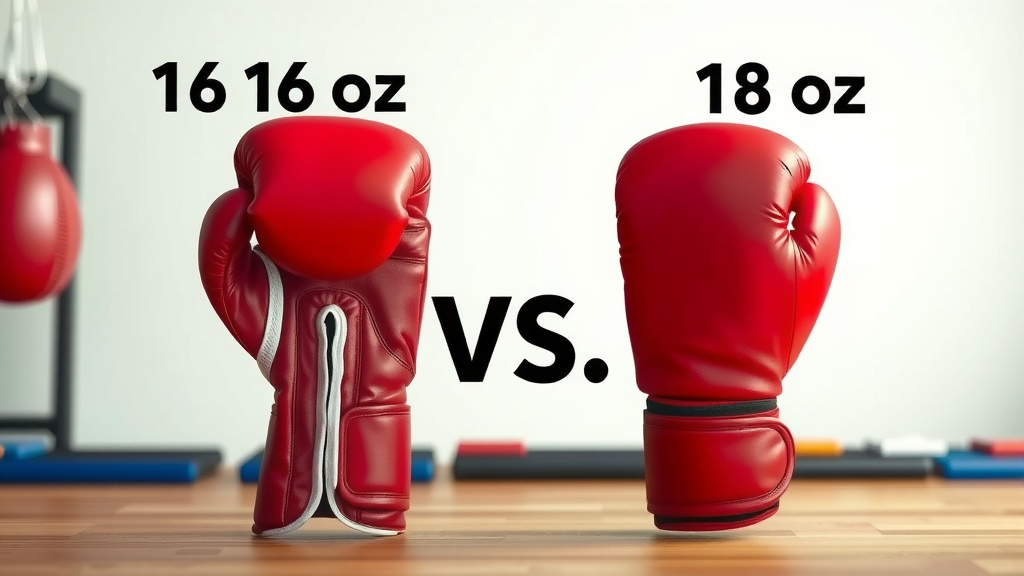
When choosing between 16 oz and 18 oz boxing gloves, 18 oz gloves are generally better for most sparring because they offer superior padding for protection. While 16 oz gloves can be used for sparring, they typically provide less cushioning for your hands and your training partner. We found that the extra two ounces in 18 oz gloves make a noticeable difference in impact absorption.
The weight of boxing gloves, measured in ounces, directly relates to the amount of padding inside. Heavier gloves mean more padding. This is important for both your hand safety and the safety of the person you’re training with. Understanding this difference helps you pick the right glove for your training needs.
TL;DR:
- 18 oz gloves offer more padding than 16 oz gloves.
- More padding means better protection for your hands and your sparring partner.
- 18 oz is usually recommended for sparring.
- 16 oz can be used for sparring but offers less cushion.
- Glove weight directly correlates to padding amount.
Let’s break down the key differences between 16 oz and 18 oz boxing gloves so you can make the best choice for your training.
Boxing Glove Sizing: 16 oz vs. 18 oz
When you’re getting ready for a boxing session, especially sparring, picking the right glove weight is super important. You’ve probably noticed gloves come in different ounce (oz) sizes. The two most common for sparring are 16 oz and 18 oz. Let’s figure out which one is your best bet.
Understanding Glove Weight and Padding
The number of ounces on a boxing glove tells you about the amount of padding inside. Think of it like this: more ounces equal more squish. This padding isn’t just for comfort; it’s a critical safety feature. It helps absorb the shock of punches, protecting both your hands and the person you’re training with.
Why More Padding Matters
When you hit something, a lot of force is generated. Gloves with more padding act like a shock absorber. We found that this extra cushioning helps reduce the risk of hand injuries for the person throwing the punch. It also softens the blow for the person receiving it. This is why heavier gloves are generally recommended for sparring.
16 oz Boxing Gloves: What They’re Good For
Sixteen-ounce gloves are a popular choice in boxing. They offer a decent amount of padding, making them suitable for various training activities. Many gyms stock them because they’re a good all-around option. You’ll often see them used for heavy bag work and pad work, where a good balance of protection and feel is needed.
Can You Spar with 16 oz Gloves?
Yes, you absolutely can spar with 16 oz gloves. Many people do! They provide a reasonable amount of protection for both fighters. However, compared to 18 oz gloves, they offer a bit less cushioning. If you’re training with someone who hits particularly hard or if you’re a beginner, you might want that extra layer of safety.
18 oz Boxing Gloves: The Sparring Champion
Eighteen-ounce gloves are where you really start to feel the extra padding. They are widely considered the go-to choice for sparring in many boxing communities. The increased padding offers superior impact absorption. This is a big deal when you’re throwing and taking punches repeatedly during a training session.
Benefits of Extra Padding in 18 oz Gloves
The extra two ounces might not sound like much, but we found that it makes a noticeable difference in how much impact is softened. For your hands, this means less strain and a lower chance of bruising or more serious injuries. For your sparring partner, it means they’re less likely to feel the full force of every punch. This extra protection can lead to longer, safer, and more productive sparring sessions.
Comparing 16 oz and 18 oz Gloves Side-by-Side
Let’s lay out the key differences so you can see them clearly. It’s not just about the weight; it’s about the purpose each glove serves best in your training regimen.
Here’s a quick comparison:
| Feature | 16 oz Gloves | 18 oz Gloves |
|---|---|---|
| Padding Amount | Good | Excellent |
| Best Use Case | Heavy bag, pad work, light sparring | Heavy sparring, general training |
| Hand Protection | Decent | Superior |
| Partner Protection | Good | Better |
| Feel/Control | Slightly lighter, can feel quicker | Heavier, more substantial |
Who Should Use Which Glove Size?
Choosing the right size often depends on your experience level and what you’re doing in training. Think about your personal needs and your training environment.
For Beginners and Lighter Hitters
If you’re just starting out, 16 oz gloves can be a great option. They provide good protection while still allowing you to develop proper technique without feeling overly weighed down. If you tend to be a lighter hitter or train with partners who are also beginners, 16 oz gloves often suffice for sparring.
For Serious Sparring and Heavier Hitters
If you’re regularly involved in hard sparring sessions, or if you or your training partners have a lot of power, 18 oz gloves are the clear winner for safety. Many trainers mandate 18 oz gloves for sparring to ensure everyone’s well-being. They offer that extra peace of mind knowing you’re doing all you can to protect yourselves.
Factors Beyond Just Ounces
While weight is a major factor, remember that not all gloves are created equal. The brand, construction, and even the shape of the glove can affect its fit and feel. Some 16 oz gloves might feel more protective than others, and the same goes for 18 oz gloves. Always try to get a feel for the gloves if you can.
The Importance of Proper Fit
No matter the weight, a glove that doesn’t fit properly won’t offer the best protection. You want a glove that feels snug but not too tight. Your fingers should reach the end of the glove comfortably, and the wrist support should be firm. A good fit ensures the padding is positioned correctly to do its job.
Making Your Final Decision
So, when you’re standing there, glove in hand, what’s the verdict? It really comes down to prioritizing safety during sparring. For the vast majority of sparring situations, the added padding of 18 oz gloves is highly recommended. It’s a small difference in weight that translates to a big difference in protection.
Here’s a quick checklist to help you decide:
- Are you sparring regularly? Choose 18 oz.
- Do you or your partners hit hard? Choose 18 oz.
- Are you a beginner focused on learning technique? 16 oz is okay, but 18 oz is safer for sparring.
- Do you have a history of hand injuries? Opt for 18 oz.
- Is your gym recommending a specific weight for sparring? Follow their guidance.
- Want maximum protection for everyone involved? 18 oz is the way to go.
Conclusion
When it comes down to it, choosing between 16 oz and 18 oz boxing gloves for sparring is all about prioritizing safety. We’ve seen that the extra padding in 18 oz gloves offers noticeably better protection for both your hands and your training partners. While 16 oz gloves can serve a purpose, they simply don’t provide the same level of impact absorption needed for robust sparring sessions. Your hands are your most important tools, so protect them. For your next training session, make the smart choice for safer, more effective sparring by opting for 18 oz gloves if sparring is your main focus.
Frequently Asked Questions
Are 16 oz gloves bad for sparring?
No, 16 oz gloves aren’t inherently “bad” for sparring, but they offer less padding than 18 oz gloves. Many people use them, especially beginners or in less intense sparring. You might just feel more impact compared to wearing heavier gloves.
Can I use 18 oz gloves for bag work?
Yes, you can use 18 oz gloves for bag work. They provide excellent hand protection during heavy bag sessions. However, some fighters prefer lighter gloves for bag work to help develop hand speed and feel.
Will 18 oz gloves make my hands feel heavier?
Yes, 18 oz gloves will feel heavier than 16 oz gloves due to the additional padding. This extra weight can sometimes be beneficial for building forearm strength over time.
What if my gym requires 16 oz for sparring?
If your gym has specific glove weight requirements for sparring, you should always follow their rules. Gyms often set these guidelines to ensure a baseline level of safety for all members during training sessions.
How do I know if my gloves fit correctly?
Properly fitting gloves should feel snug around your hand and wrist without being too tight or restricting blood flow. Your fingers should comfortably reach the end of the glove, and the padding should feel evenly distributed to absorb impact effectively.