What Is an AC Disconnect Box? Full Guide
An AC disconnect box is a weatherproof safety device. It’s installed near your air conditioner unit. Its main job is to quickly shut off power to the AC. This is essential for both HVAC maintenance and emergencies.
Think of it as an easily accessible “off switch” for your air conditioner. It protects both your equipment and the technicians working on it. Many homeowners don’t realize this simple box plays such an important role in their home’s cooling system. It helps prevent electrical hazards.
- It’s a safety switch for your AC.
- It lets you cut power easily.
- It protects workers and your unit.
- It’s required by electrical codes in many areas.
- It’s often a gray metal box near your outdoor unit.
Below, we’ll break down exactly what an AC disconnect box is, why you have one, and what you need to know about it. Let’s make sure your home’s cooling is safe and sound!
“`htmlUnderstanding Your AC Disconnect Box
So, what exactly is this AC disconnect box you’ve likely seen near your outdoor air conditioning unit? It’s a simple, yet vital, electrical safety device. It provides a safe and quick way to cut power to your AC unit. Think of it as a dedicated emergency switch for your air conditioner. It’s usually a gray metal box mounted on the wall near the condenser unit outside your home.
What Does an AC Disconnect Box Do?
The primary function of an AC disconnect box is to isolate your air conditioner from its power source. This means when you open the box and pull out the lever or fuses, electricity stops flowing to the outdoor unit. It’s a manual shut-off, meaning it requires someone to physically operate it. This is a key safety feature for anyone working on the unit.
Why Is It Necessary?
You might be wondering why you need a special box for this. Well, when your AC unit is running, it’s drawing a lot of electricity. This can be dangerous if a technician needs to perform repairs or maintenance. The disconnect box ensures that the power is completely off before they start their work. This prevents accidental shocks and electrocution, which can be fatal (Occupational Safety and Health Administration). It’s a standard safety protocol in the HVAC industry.
Components of a Disconnect Box
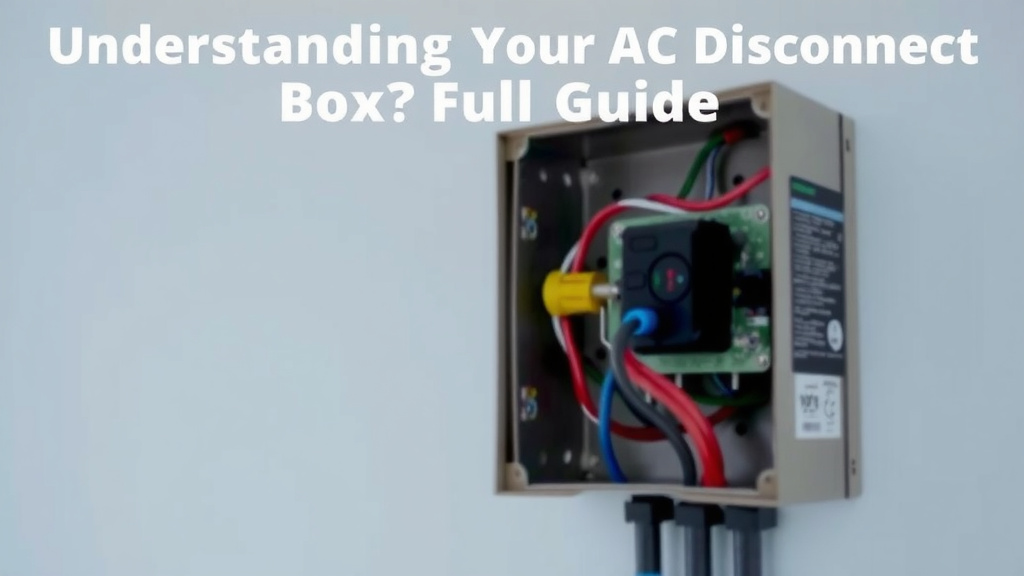
Inside this unassuming gray box, you’ll find a few key components. There’s typically a lever or pull-out mechanism. This is what you’ll operate to shut off the power. Depending on the type of disconnect, it might house fuses or just have a simple switch. These fuses are designed to blow and cut off power if there’s an electrical overload or short circuit, adding another layer of protection (National Electrical Code). The box itself is built to be weatherproof, protecting the electrical components from rain, snow, and other elements.
Types of AC Disconnects
We found that there are a couple of common types of disconnect boxes you might encounter. The most frequent type is the fused disconnect. As the name suggests, it contains fuses. You can pull these fuses out to completely de-energize the unit. Another type is the non-fused disconnect. This version simply has a switch that you flip to turn the power on or off.
| Type | Description | Power Cut Method |
|---|---|---|
| Fused Disconnect | Contains replaceable fuses. | Pull out fuses or operate lever. |
| Non-Fused Disconnect | Contains a simple switch. | Flip the internal switch. |
Each type serves the same core purpose: providing a safe way to cut power. Your HVAC professional can tell you which type you have.
Where Is Your AC Disconnect Box Located?
You’ll almost always find the AC disconnect box mounted on the exterior wall of your home. It’s usually located within sight of the outdoor condenser unit. The goal is to have it easily accessible for emergency shut-offs and routine maintenance. It’s important that it’s not hidden behind bushes or other obstructions.
Why Not Just Use the Breaker?
You might have a breaker switch for your AC unit inside your main electrical panel. So, why the external disconnect box? Well, the electrical code requires it. The National Electrical Code (NEC) mandates these disconnects for specific reasons. For starters, it provides a local shut-off point right at the unit. This is much faster and safer than having to go into your basement or garage to find the main breaker. It ensures the power is truly off and stays off.
Local Shut-Off for Safety
Imagine your AC unit is making a strange noise, or worse, smoking. You want to cut the power immediately. Running to the main breaker panel can take time. The disconnect box offers an instantaneous shut-off right outside your door. This local control is a critical safety measure for homeowners and HVAC technicians alike. It’s a clear signal that the unit is safe to approach.
Who Installs and Maintains It?
Typically, the AC disconnect box is installed by the HVAC technician or electrician when your air conditioning system is initially set up. You generally don’t need to do much with it on a day-to-day basis. However, it’s a good idea to know where yours is located. If you ever need to shut off power quickly in an emergency, you’ll know exactly where to go. We found that many homeowners aren’t even aware they have one!
Your AC Disconnect Box: A Safety Checklist
To ensure you’re familiar with your AC disconnect box, consider this quick checklist. It’s a good idea to periodically check on it, even if you don’t touch it.
- Locate your AC disconnect box outside.
- Ensure it’s easily accessible and not blocked.
- Visually inspect the box for any signs of damage.
- Note whether it appears to have fuses or a switch.
- Understand that it’s for power shut-off during maintenance or emergencies.
- Never attempt to open or operate it unless you are a qualified professional or instructed to do so by one.
Conclusion
You now understand that your AC disconnect box is a critical safety device. It’s your air conditioner’s readily accessible “off switch.” This weatherproof box ensures that power can be quickly and safely cut for maintenance or emergencies. Knowing its location and purpose helps you protect your home and the HVAC professionals who service it. Always remember to consult a qualified technician if you have any questions or need to interact with the disconnect box.
Frequently Asked Questions
Can I just flip the breaker instead of using the disconnect box?
While flipping the breaker cuts power to the whole house or a specific circuit, the disconnect box provides a local shut-off right at the AC unit. Electrical codes require it for immediate access, making it safer for technicians and in urgent situations.
What happens if my AC disconnect box is damaged?
If you notice any damage, like cracks or corrosion, to your AC disconnect box, it’s important to contact an HVAC professional or electrician immediately. A damaged box can compromise safety and may not function correctly, posing an electrical hazard.
How often should I check my AC disconnect box?
You don’t need to check it often, but it’s wise to visually inspect it occasionally to ensure it’s not blocked by debris or obstructions. Knowing where it is and that it’s clear of anything preventing access is key.
Can I replace the fuses in my AC disconnect box myself?
If your unit has a fused disconnect, you should only attempt to replace fuses if you are comfortable and knowledgeable about electrical work, or if instructed to do so by a qualified technician. Always ensure the power is off at the main panel before attempting any fuse replacement.
Is an AC disconnect box required by law everywhere?
In most areas within the United States, the National Electrical Code (NEC) mandates AC disconnect boxes for outdoor air conditioning units. Local regulations may also apply, so it’s generally a standard requirement for safety.