How a Spirit Box Works: The Complete Guide to Ghost-Hunting Technology
Have you ever wondered what that mysterious device is that paranormal investigators hold up while asking questions to thin air? You’re probably looking at a spirit box, one of the most intriguing pieces of equipment in the ghost-hunting world. Whether you’re a skeptic or a believer, understanding how a spirit box actually works is fascinating from both a technological and investigative standpoint. Let me walk you through everything you need to know about this peculiar device.
What Exactly Is a Spirit Box and Why Do People Use It?
A spirit box, sometimes called a “ghost box” or “paranormal radio,” is essentially a modified radio device designed specifically for paranormal investigation. Think of it as a bridge between the living world and the realm beyond. Investigators use these devices because they believe spirits can communicate by manipulating electromagnetic frequencies and radio waves.
The fundamental idea is that spirits, or paranormal entities, can interact with electronic devices. When someone operates a spirit box during a paranormal investigation, they’re hoping to capture disembodied voices or messages that come through as clear words or phrases. It’s like tuning into a radio station, except instead of conventional broadcasts, you’re supposedly listening to communications from the other side.
The Origins of Spirit Box Technology
Spirit boxes didn’t just appear out of nowhere. They evolved from decades of paranormal research and experimentation. In the 1950s, paranormal enthusiasts began experimenting with tape recorders, trying to capture what they called “electronic voice phenomena” or EVP. Fast forward to the 2000s, and paranormal investigator Frank Sumption created what’s known as the first modern spirit box, called the Paranormal Puck. His invention sparked a revolution in how ghost hunters approached their investigations, transforming casual recording sessions into interactive communication attempts.
The Basic Components: What’s Inside a Spirit Box?
To understand how a spirit box works, you need to know what’s actually inside the device. It’s not magic—it’s engineering, though admittedly some people claim the engineering is being used to channel something supernatural.
The Radio Receiver Module
At the heart of every spirit box is a radio receiver. This component picks up electromagnetic frequencies, just like a standard portable radio. The difference is that a spirit box doesn’t stop at one frequency—instead, it rapidly scans through multiple radio frequencies in quick succession. This rapid scanning is crucial to how the device supposedly works. Believers argue that spirits communicate by briefly manipulating the radio waves at different frequencies, and the spirit box’s constant scanning catches these moments of interaction.
The Frequency Sweep Mechanism
The frequency sweep is what makes a spirit box different from your grandmother’s bedside radio. This mechanism automatically cycles through radio frequencies, moving from one end of the radio spectrum to the other. Some spirit boxes sweep slowly, taking several seconds to move through frequencies, while others sweep rapidly, covering the entire frequency range in just a second or two. The sweep rate can sometimes be adjusted, depending on the model.
Audio Amplification and Speaker System
Whatever signals the spirit box picks up get amplified and sent to a speaker so investigators can hear them in real time. This is important because it allows people to capture responses during active sessions. Without clear audio output, the whole interactive element of spirit box communication would be lost.
Power Source and Control Interface
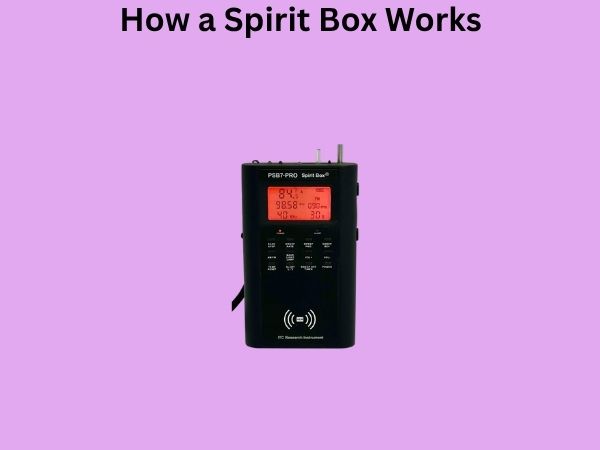
Spirit boxes typically run on batteries or USB charging, and they include buttons or dials for adjusting sweep speed, volume, and frequency range. Some advanced models even include digital displays and more sophisticated controls for fine-tuning your paranormal investigation.
How the Frequency Sweep Process Actually Works
Let me break down the actual mechanics of what happens when you turn on a spirit box. It’s methodical and, from a purely technical standpoint, quite straightforward.
The Continuous Scanning Process
When you power on a spirit box, the device immediately begins scanning through radio frequencies. Imagine driving down a highway and flipping through radio stations rapidly—the spirit box does something similar, but electronically and much faster. As it scans, it’s picking up whatever audio signals exist at each frequency it passes through. This might include AM/FM radio broadcasts, static, partial conversations, music, news, emergency broadcasts, and countless other radio transmissions happening in the air around you at any given moment.
Catching Fragments of Sound
Here’s where it gets interesting. Because the device moves through frequencies so quickly, most of what comes through is fragmented. You might hear a word here, a syllable there, a burst of static, maybe a musical note. Proponents of spirit box communication argue that spirits are manipulating these fragments, pulling out specific words or phrases that form coherent responses to questions being asked. Critics, on the other hand, suggest that our brains naturally want to recognize patterns and find meaning in random noise—a phenomenon called pareidolia.
The Theory Behind Spirit Communication Through Radio Waves
Now, let’s talk about what believers think is actually happening when they use a spirit box. Understanding their perspective is key to understanding why this technology exists at all.
Electromagnetic Theory and Spiritual Energy
Paranormal researchers theorize that spirits or souls are essentially non-physical entities composed of electromagnetic energy. According to this thinking, these entities can interact with electrical devices and manipulate electromagnetic fields. When a spirit box sweeps through frequencies, spirits can supposedly modulate the radio waves they encounter, essentially “speak” through the device by controlling which audio fragments come through at which moments. It’s presented as a form of energy-based communication that relies on the spirit’s ability to influence electronics.
Asking Questions and Receiving Answers
This is where the interactive element comes in. Investigators don’t just turn on a spirit box and listen passively. They actively ask questions, pause, and listen for responses. The theory suggests that spirits can hear the questions and respond by manipulating the frequency sweeps to produce answers. Some investigators swear they’ve had full conversations, with spirits responding appropriately to specific questions about their names, causes of death, or messages they want to convey.
The Scientific Perspective: What Skeptics Say
It’s important to present the other side of this discussion. The scientific community largely remains skeptical about spirit boxes and their supposed paranormal applications.
Pareidolia and Pattern Recognition
One of the strongest arguments skeptics raise is pareidolia—our brain’s tendency to find familiar patterns in random data. When you hear fragmented radio broadcasts and static, your mind naturally tries to interpret what it’s hearing. Random sounds become words, static becomes voices, and coincidental phrases become meaningful answers. This is the same phenomenon that makes us see faces in clouds or hear messages in reversed music.
The Role of Confirmation Bias
Skeptics also point out that investigators often come to spirit box sessions with expectations. They’re looking for evidence of paranormal activity, and that mindset can influence how they interpret ambiguous audio. If you’re expecting to hear a name or get an answer to a question, you’re more likely to interpret random fragments as confirming your expectations.
Radio Frequency Explanation
From a purely technical standpoint, skeptics argue that what spirit boxes are picking up is simply radio broadcasts, emergency communications, CB radio chatter, and other legitimate electromagnetic transmissions. The “responses” are just radio content that happens to align with questions being asked—a coincidence that seems meaningful because of confirmation bias and pareidolia.
Popular Spirit Box Models and Their Features
If you’re interested in trying this technology yourself, there are several well-known spirit box models on the market, each with different features and price points.
The P-SB7 Spirit Box
One of the most popular models among paranormal investigators is the P-SB7. This device is known for its fast sweep rate and has gained a reputation for producing clear, sometimes startlingly coherent responses. Many paranormal TV shows feature this model, which has made it something of an industry standard.
The Paranormal Puck
As mentioned earlier, the Paranormal Puck was the first modern spirit box. It’s more compact than many models and appeals to investigators who want portability. While it might not have all the bells and whistles of newer models, it remains popular among purists and has a solid following.
The REM-Pod and Combination Devices
Some investigators use hybrid devices that combine spirit box functionality with other paranormal detection tools. These combo devices might include EMF meters, motion sensors, or temperature readers alongside the spirit box capabilities, allowing investigators to gather multiple types of data during sessions.
How to Actually Use a Spirit Box During a Paranormal Investigation
Understanding the mechanics is one thing, but actually using a spirit box requires a specific approach. Let me walk you through the basic process that paranormal investigators typically follow.
Preparation and Setting the Scene
Serious investigators don’t just randomly turn on a spirit box and hope for communication. They prepare. They research the location’s history, they inform any spirits present that they’re coming with peaceful intentions, and they establish ground rules for the investigation. Some investigators even use incense or sage, believing these practices create a more conducive environment for communication.
Asking Clear, Direct Questions
Rather than vague inquiries, experienced investigators ask specific, answerable questions. Instead of “Is anyone here?” they might ask “What is your name?” or “How did you die?” They pause after each question, giving the device time to sweep through frequencies and (theoretically) capture a response. The clarity of the question supposedly helps spirits provide clearer answers.
Techniques for Better Results
- Asking yes-or-no questions to establish communication
- Building rapport by acknowledging any responses received
- Asking follow-up questions to clarify or expand on answers
- Maintaining a respectful, serious tone throughout the session
- Recording everything for later analysis
Active Listening and Documentation
Investigators carefully listen to every sound that comes through, no matter how fragmented. They often record the entire session so they can review it later, sometimes discovering messages they missed during live listening. Some investigators share their recordings online, and the paranormal community analyzes them collectively, sometimes identifying patterns or messages that individual listeners might have overlooked.
The Role of Environment and Location in Spirit Box Communication
Interestingly, paranormal investigators have noticed that location seems to matter significantly when using spirit boxes. Certain places supposedly produce better results than others.
Haunted Locations and Hot Spots
Historically haunted places—old hospitals, cemeteries, abandoned houses, sites of tragic events—supposedly produce more active spirit box responses. Investigators theorize that these locations have residual spiritual energy or are inhabited by spirits tied to traumatic deaths or unfinished business. The electromagnetic energy concentrated in these places might make it easier for spirits to manipulate radio frequencies and communicate.
Time of Day and Environmental Factors
Some paranormal researchers claim that spirit box communication is more active during certain times—often late night or early morning hours. Theories about why vary. Some suggest spirits are simply more active during these times, while others propose that ambient electromagnetic interference is lower, making communication easier. Environmental factors like thunderstorms (which create lots of electromagnetic activity) are sometimes thought to enhance paranormal communication, though this is debated.
The Controversy: Are Spirit Boxes Legitimate or Pseudoscience?
The spirit box sits in a fascinating space between technology, pseudoscience, and entertainment. Different people view it very differently.
Why Believers Trust Spirit Boxes
For true believers, spirit boxes work because they’ve experienced what they consider undeniable communication. They’ve had personal experiences where questions were answered appropriately, details were provided about unknown aspects of a location’s history that later checked out, or messages were received that were personally meaningful. For these individuals, the explanation of coincidence and pareidolia doesn’t adequately account for what they’ve experienced.
Why Skeptics Remain Unconvinced
Skeptics point out that paranormal researchers haven’t been able to demonstrate spirit box communication under controlled laboratory conditions. When proper controls are implemented—like asking questions unknown to the investigator, or using shielded locations where radio interference is eliminated—the results don’t seem particularly better than random chance. Additionally, no scientific mechanism has been identified that would explain how spirits could interact with electronic devices.
Improvements and Innovations in Spirit Box Technology
The field hasn’t remained static. As technology advances, so do spirit boxes and related paranormal investigation tools.
Digital Enhancements and App-Based Versions
Modern paranormal investigators can use smartphone apps that simulate spirit box functionality, using the device’s radio capabilities to scan frequencies. Some apps include additional features like visual frequency displays, adjustable sweep rates, and session recording capabilities. These democratized versions make spirit box investigation more accessible to casual paranormal enthusiasts.
Integration with Other Technologies
Advanced paranormal kits now integrate spirit boxes with EMF meters, thermal imaging cameras, and data logging systems. This multi-modal approach attempts to correlate spirit box communications with other types of paranormal activity, creating what advocates claim is stronger evidence of genuine contact.
Practical Considerations Before Buying a Spirit Box
If you’re considering getting a spirit box yourself, there are some practical things to think about beyond the paranormal aspects.
- Cost: Spirit boxes range from thirty dollars for basic models to several hundred dollars for advanced equipment
- Legal considerations: Some frequencies are protected, so ensure you’re not interfering with emergency communications
- Audio quality: Cheaper models have lower sound quality, making it harder to hear responses clearly
- Battery life: Consider how long you’ll be investigating and whether the device’s battery will last
- Durability: If you’re investigating in rough conditions, you’ll want a sturdy device
Personal Experiences: Real Stories from Spirit Box Investigators
Throughout the paranormal investigation community, numerous stories circulate about remarkable spirit box encounters. Some investigators claim to have received messages from specific individuals, details about how they died, or warnings about dangers in a location. While anecdotal evidence isn’t scientific proof, these experiences matter deeply to the people who have them and contribute to the continued popularity and evolution of spirit box technology.
The Future of Spirit Box Technology and Paranormal Investigation
Where is this technology headed? As artificial intelligence and advanced signal processing become more sophisticated, the next generation of spirit boxes might incorporate AI algorithms designed to recognize patterns in random radio noise that might indicate genuine intelligent communication. Whether such technology would actually prove paranormal communication or simply become more effective at pattern recognition remains to be seen.
Conclusion
So, how does a spirit box actually work? From a technical standpoint, it’s a radio device that rapidly scans through frequencies, picking up fragments of radio broadcasts, static, and electromagnetic transmissions, and amplifying them through a speaker. This much is straightforward engineering. The paranormal aspect—whether spirits can actually communicate through these devices—remains fiercely debated. Believers point to personal experiences and seemingly intelligent responses, while skeptics attribute these experiences to pareidolia, confirmation bias, and random coincidence. What’s certain is that spirit boxes have become a central tool in modern paranormal investigation, symbolizing our ongoing fascination with the possibility of contacting realms beyond our understanding. Whether you view them as legitimate communication devices or cleverly engineered tools for exploring human perception, spirit boxes represent an intriguing intersection of technology, psychology, and the eternal human desire to connect with something greater than ourselves. The truth about what spirit boxes actually detect—radio noise or genuine ghostly voices—remains one of paranormal investigation’s most compelling mysteries.