Steer with Ease: How a Power Steering Box Works Behind the Scenes
Imagine trying to turn the wheels of your car with your bare hands while it’s parked on concrete. Sounds impossible, right? That’s essentially what drivers had to deal with before power steering became standard equipment. The power steering box is your mechanical ally in this battle against friction and resistance.
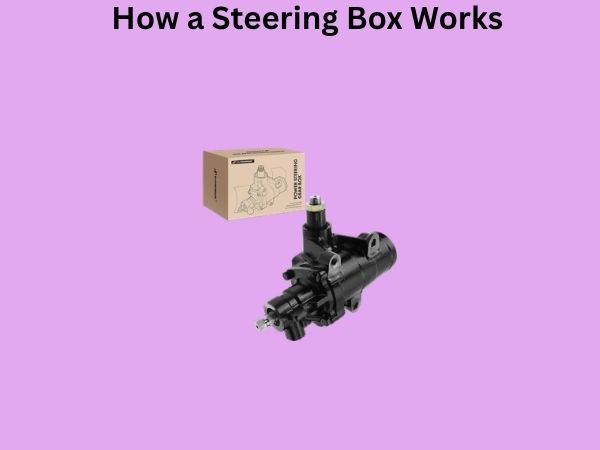
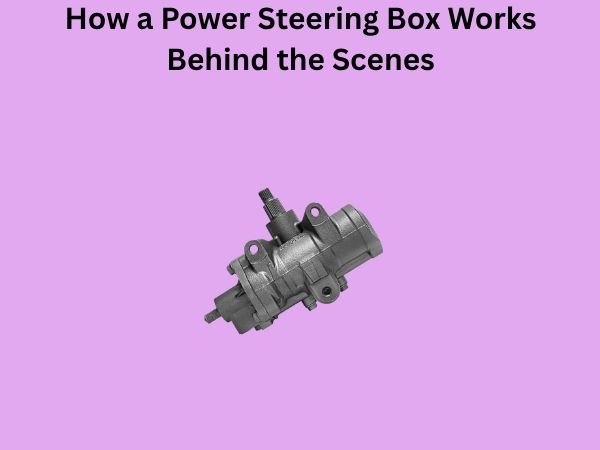
A power steering box, also known as a steering gearbox or power steering unit, is a mechanical device that does something rather magical: it takes the rotational movement of your steering wheel and converts it into linear motion that turns your front wheels. But here’s where it gets interesting—it doesn’t do this alone. The power steering box works in conjunction with a hydraulic system that amplifies your steering input, making it feel effortless.
Think of it as a translator between you and your vehicle. You speak the language of turning the steering wheel, and the power steering box translates that into a language your wheels understand. Without this system, you’d need the strength of a professional wrestler just to park your car.
The Basic Components of a Power Steering Box
Let’s break down the main parts that make up this ingenious system. Understanding these components will help you appreciate how everything works together in perfect harmony.
The Steering Input Shaft
This is where your steering wheel connects to the entire system. When you turn the wheel, you’re rotating this shaft. It’s the beginning of a chain reaction that ultimately positions your front wheels exactly where you want them.
The Worm Gear and Sector Gear Assembly
Inside the power steering box, you’ll find a worm gear attached to the input shaft. This gear has a spiral thread pattern, kind of like a screw. As it rotates, it meshes with a sector gear, which moves back and forth. This interaction is the heart of the conversion process—it transforms rotational motion into linear motion.
The Piston and Rack Assembly
The piston is where hydraulic pressure does its work. This pressure pushes the piston and assists in moving the rack, which is a metal rod with teeth. The rack connects to your tie rods, which are the mechanical links that actually turn your wheels.
The Control Valve
This valve is remarkably smart. It regulates hydraulic pressure based on how much you’re turning the wheel and how fast you’re going. It ensures you always get just the right amount of assistance, no more, no less.
How Hydraulic Pressure Powers Your Steering
Now let’s talk about the magic ingredient that makes modern steering possible: hydraulic fluid pressure. This is where your power steering system transforms from a simple mechanical lever into an assistive technology.
When you turn your steering wheel, you’re setting off a chain of events that involves pressurized hydraulic fluid. The hydraulic pump, typically driven by the engine’s serpentine belt, constantly circulates fluid through the system. This fluid is the medium through which force is transferred.
Here’s how it works: when you turn the steering wheel, the control valve opens and directs high-pressure hydraulic fluid to one side of the piston chamber. This pressure acts like an invisible helper pushing the piston in the direction you want to turn. The amount of pressure is automatically adjusted based on your steering input and vehicle speed. At low speeds, you get maximum assistance because you need it. At highway speeds, the assistance decreases because you don’t need as much help maintaining your direction.
The Role of the Hydraulic Pump
The hydraulic pump is the workhorse that keeps everything moving. It’s typically a rotary vane pump or a gear pump, and it’s powered by a belt connected to your engine. This pump draws fluid from the reservoir and forces it through the system at high pressure. Without this pump running continuously, you’d lose your power steering assistance immediately.
Pressure Regulation and Safety Valves
The system includes a pressure relief valve that prevents the hydraulic pressure from becoming dangerously high. If pressure exceeds safe limits, this valve opens and redirects excess fluid back to the reservoir. This safety mechanism protects the entire system from damage.
The Conversion Process: From Rotational to Linear Motion
This is where the engineering becomes truly fascinating. Your steering wheel rotates in a circular motion, but your wheels need to move in a linear, back-and-forth motion. The power steering box makes this conversion happen smoothly and efficiently.
When you turn the steering wheel clockwise, the input shaft rotates clockwise. The worm gear on this shaft also rotates, and because it meshes with the sector gear, it causes the sector gear to move. This sector gear movement is translated into movement of the rack through the piston assembly. The rack slides back and forth within its housing, and this linear motion is what gets transmitted through the tie rods to turn your front wheels.
The beauty of this design is its efficiency. A small rotation of your steering wheel—sometimes just a quarter turn—can result in your wheels moving significantly. This gear ratio provides what engineers call “mechanical advantage,” allowing minimal effort on your part to produce maximum steering effect.
Variable Ratio Steering
Modern power steering boxes often feature variable ratio steering. This means the relationship between how much you turn the wheel and how much the wheels turn isn’t always the same. Near the center position, you might need to turn your wheel more to achieve wheel movement. But as you approach full lock (maximum steering angle), less wheel rotation is needed. This design makes parking easier while maintaining stability during highway driving.
Types of Power Steering Boxes Explained
Not all power steering boxes are created equal. Different vehicles use different designs, and understanding these variations can help you appreciate how your particular vehicle’s steering system works.
The Recirculating Ball Box
This is the traditional design that’s been around for decades. It uses ball bearings that recirculate between the worm gear and nut as you steer. These bearings reduce friction and wear, allowing the system to operate smoothly. Many trucks and older vehicles still use this design because it’s robust and reliable.
The Rack and Pinion System
While technically different from a traditional power steering box, many modern vehicles use hydraulically-assisted rack and pinion systems. A pinion gear (which resembles a small round gear) meshes directly with the rack (a long gear with teeth along one edge). As the pinion rotates, it pushes the rack side to side. This design is more compact and lighter than recirculating ball boxes, making it popular in modern vehicles.
Electronic Power Steering (EPS)
The newest generation of steering systems replaces hydraulic fluid with electric motors. An electric motor assists your steering input instead of hydraulic pressure. These systems are more efficient, don’t require a belt-driven pump, and can be integrated with advanced driver assistance systems. However, we’re focusing on hydraulic systems in this article, which remain common in many vehicles on the road today.
The Complete Hydraulic Circuit in Action
Let me walk you through a complete cycle of what happens when you turn your steering wheel, so you can visualize the entire system working together.
You grip your steering wheel and turn it to the left. This rotates the input shaft, which turns the worm gear. The worm gear’s rotation causes the sector gear to pivot. This sector gear movement shifts the piston assembly toward the left. As the piston moves, it opens the control valve, which allows hydraulic fluid under pressure to flow into the left side of the piston chamber.
This pressurized fluid pushes against the piston, amplifying your manual effort. The piston’s movement is transmitted to the rack, which slides to the left. The left tie rod pulls the left wheel into a turning angle, while the right tie rod is configured to turn the right wheel slightly less sharply (this is called Ackermann steering geometry, and it prevents tire scrubbing during turns).
Simultaneously, fluid on the right side of the piston chamber is being forced back toward the reservoir through the return line. The control valve automatically balances this flow so that as you apply more effort to the steering wheel, more pressurized fluid flows to the assist chamber, and when you release it, the valve redirects fluid back to the reservoir.
Common Problems and What Causes Them
Even the best-engineered systems can develop problems over time. Understanding what can go wrong helps you recognize warning signs early.
Fluid Leaks
Hydraulic fluid leaks are probably the most common issue. Seals deteriorate, hoses crack, and connections loosen. When fluid leaks out, you lose pressure, which means less steering assistance. You might notice your steering wheel feels heavier than usual or requires more effort to turn.
Whining or Groaning Noises
If your hydraulic pump is making noise, it often indicates that the fluid level is low or the fluid is degraded. Air in the hydraulic lines can also cause these sounds. When you hear these noises, it’s time to check your power steering fluid level immediately.
Steering Wheel Play or Looseness
When the worm gear and sector gear assembly wears, you might notice excessive play in the steering wheel. This means you have to turn the wheel a bit before the wheels actually respond. This is a symptom that the gearbox needs professional attention.
Hard Steering
If your steering suddenly becomes difficult, several things could be wrong: the hydraulic pump might be failing, the belt might be slipping, the hoses might be blocked, or the control valve might be stuck. This condition demands immediate diagnosis because it affects your vehicle’s safety.
Fluid Discoloration
Power steering fluid should be bright red or amber colored. If it turns dark brown or black, it’s oxidized and degraded. This happens when the fluid overheats or when it’s been in the system too long. Degraded fluid doesn’t provide proper lubrication and can cause internal damage to the pump and gearbox.
Maintaining Your Power Steering System
Proper maintenance can extend the life of your power steering system significantly. Here are the key practices every vehicle owner should follow.
Regular Fluid Checks and Changes
Check your power steering fluid level monthly, just like you would with engine oil. Most vehicles have a reservoir with minimum and maximum markers. Top it off with the recommended fluid type if it’s low. Most manufacturers recommend a complete fluid change every 50,000 to 100,000 miles, though this varies by vehicle.
Listen to Your Vehicle
Develop the habit of listening to your steering system. If you notice new whining sounds, particularly when turning sharply or during cold starts, investigate. Early detection of problems can prevent expensive repairs.
Check Belt Condition
The serpentine belt that drives the power steering pump needs to be in good condition. A frayed, cracked, or worn belt can slip and prevent the pump from building sufficient pressure. Have your belt inspected regularly and replaced as needed.
Watch for Leaks
If you park your vehicle and notice reddish fluid spots underneath, you likely have a leak. Address this promptly because a small leak can quickly become a major problem. Depending on where the leak is, you might need to replace hoses, seals, or fittings.
Avoid Extreme Steering Movements
Holding your steering wheel at full lock (fully turned) for extended periods puts maximum stress on the power steering pump. This can cause overheating and premature wear. When possible, turn the wheel fully only when actually moving.
How Speed Affects Power Steering Assistance
Here’s something interesting that most drivers don’t think about: your power steering system actually changes how much help it provides based on your vehicle’s speed. This is accomplished through a flow control valve that responds to vehicle speed.
At low speeds, like when you’re parking or making tight turns in a parking lot, you need maximum assistance. The power steering system recognizes this and provides full hydraulic pressure to assist your steering input. This is why parking feels effortless.
As your speed increases on the highway, the system gradually reduces the assistance. At highway speeds, you don’t need as much help because your vehicle has momentum and naturally wants to track straight. Reducing assistance at high speeds also improves steering feel and responsiveness, giving you better feedback about the road.
This speed-sensitive behavior is one reason why power steering feels so natural. It adapts to what you actually need at any given moment, without you having to think about it.
The Physics Behind the Power
Understanding the physics helps you appreciate why power steering works so well. Hydraulics operate on Pascal’s Law, which states that pressure applied to a confined fluid is transmitted undiminished in all directions.
The hydraulic pump pressurizes the fluid to typically between 800 and 1500 psi (pounds per square inch), depending on the system design. This pressurized fluid is far more powerful than your arm strength could ever be. When this pressure is applied to the large surface area of the piston, it creates a force that easily moves the rack and turns your wheels.
The mechanical advantage comes from the difference in size between the input (your steering wheel) and the output (the wheels). A small input force on the steering wheel, multiplied through the gear ratio and hydraulic amplification, produces a large output force at the wheels. This is basic mechanical advantage, the same principle that makes a lever or a pulley system work.
Future Innovations in Steering Systems
While hydraulic power steering will likely be around for years to come, automotive engineers are continuously innovating. Electric power steering systems are becoming increasingly popular because they’re more efficient and allow for integration with advanced driver assistance features. Some experimental systems even use variable stiffness, automatically adjusting how much resistance you feel based on road conditions and driving situation.
Autonomous vehicles may eventually use steering systems we can’t even imagine yet. However, the fundamental principles that allow a power steering box to convert rotational motion to linear motion, and to amplify human input through mechanical advantage, will always remain relevant to steering system design.
Conclusion
The power steering box is one of those automotive technologies that works so smoothly and quietly that most drivers never think about it. Yet it’s a marvel of mechanical and hydraulic engineering that transforms the simple act of turning a wheel into an effortless experience. From the worm and sector gears that convert rotational motion to the hydraulic pressure that amplifies your steering input, every component works in harmony to give you control over your vehicle.
By understanding how your power steering system works, you’re better equipped to recognize when something might be wrong and to maintain it properly. Regular fluid checks, listening for unusual noises, and addressing leaks promptly will keep your steering system functioning smoothly for years to come. The next time you turn your steering wheel and feel that effortless response, take a moment to appreciate the sophisticated engineering working silently behind the scenes to make your drive safer and more comfortable.
Frequently Asked Questions About Power Steering Boxes
What happens to my power steering if the hydraulic pump fails?
If the hydraulic pump fails, you’ll lose power steering assistance immediately. The pump is responsible for pressurizing the hydraulic fluid that assists your steering. Without it, steering becomes extremely difficult and heavy because you’re relying solely on your own strength to